
What is the Vault?
The Vault is a dedicated space for rarer items or collectibles that traditional market data and sales history simply don’t exist.
Pricing these items is very difficult. They usually end up in high-pressure auctions that last only a few days, or they sit in private collections labeled "not for sale." We believe that every item has a price; it’s just a matter of finding the person who values it most.
How it Works: The Blind Offer System
The Vault replaces the stress of bidding wars and the frustration of "Buy It Now" haggling with a simple, direct-to-owner process.
You Set the Value: There is no floor price and no visible competition. You submit the maximum amount you are willing to pay based on the value you see in the piece.
Zero Pressure: Unlike an auction, there is no ticking clock. The item stays in The Vault until the right offer is made.
Direct & Private: We relay your blind offer directly to the owner. They can choose to accept, reject, or ignore it—putting you in a direct line to the most exclusive items in the hobby.
Personalized Worth: We know a die-hard Reds fan will value a 1-of-1 team legend more than a casual flipper. The Vault lets you bid based on your passion, not a generic price guide.
Currently, our platform features an inventory of in-house collectibles. At some point I would like to expand this to allow individual owners to list their own items and connect with passionate bidders who truly value the history behind the piece, however I am not there yet but will keep y’all updated.
A Note on Our Progress The Vault is currently in its early access. I am actively building out the technology to make this process more automated. During this phase, all submissions and offer relays are manually reviewed by me. This ensures that every "blind offer" is legitimate and every high-value item is treated with the care it deserves. Thank you for helping me build the future of the collectibles market.
Inventory
Lot #1:
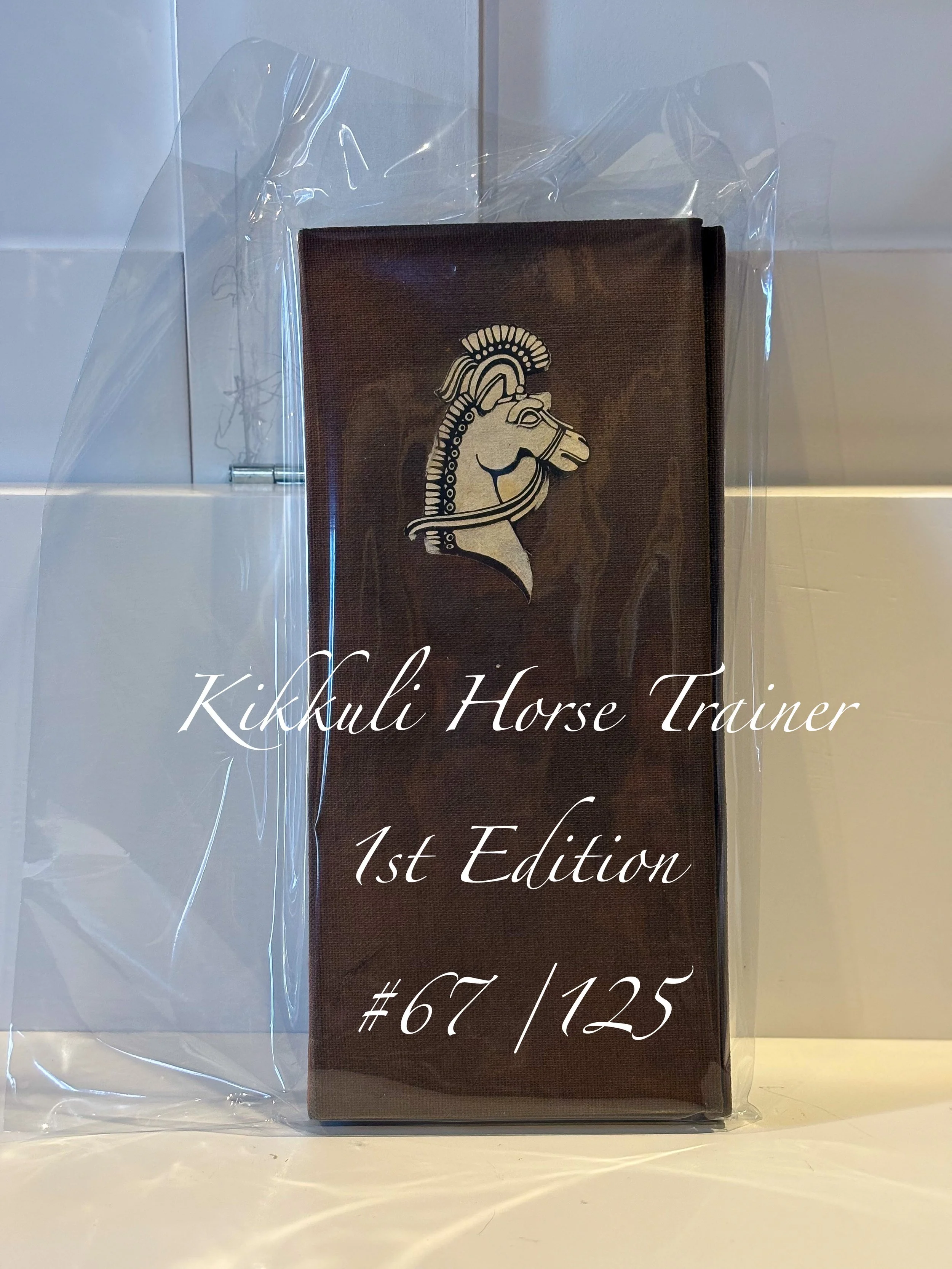
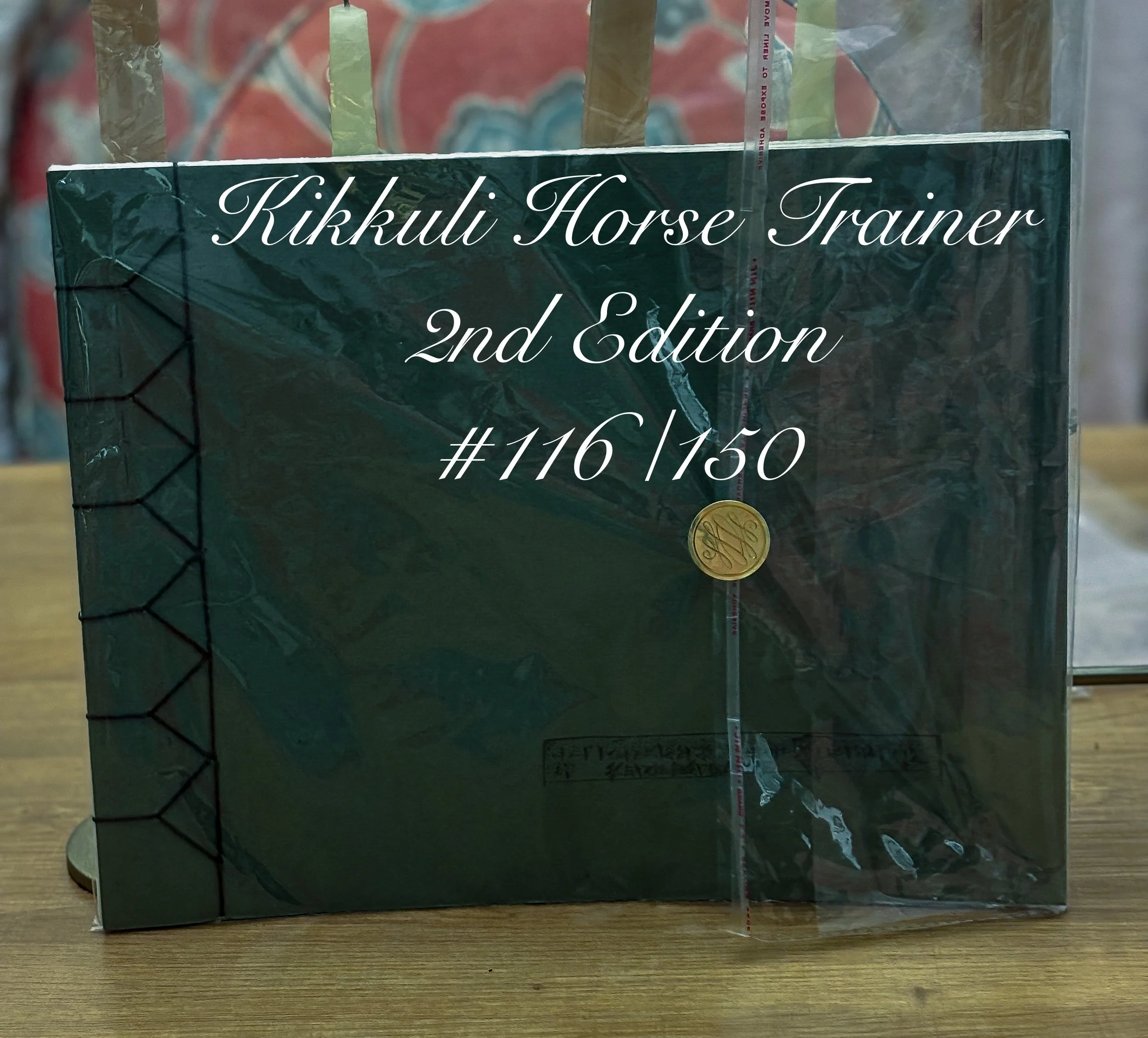
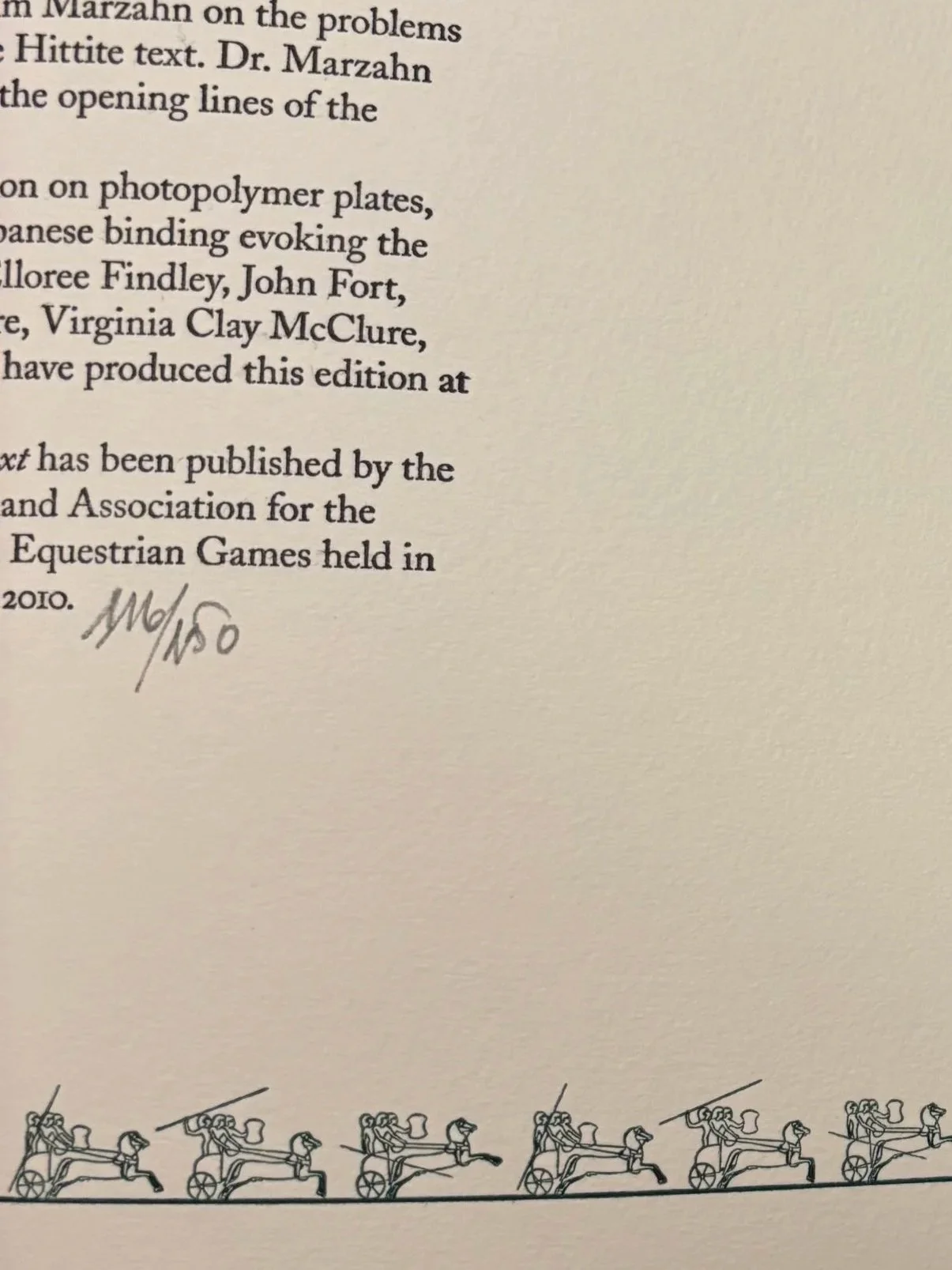
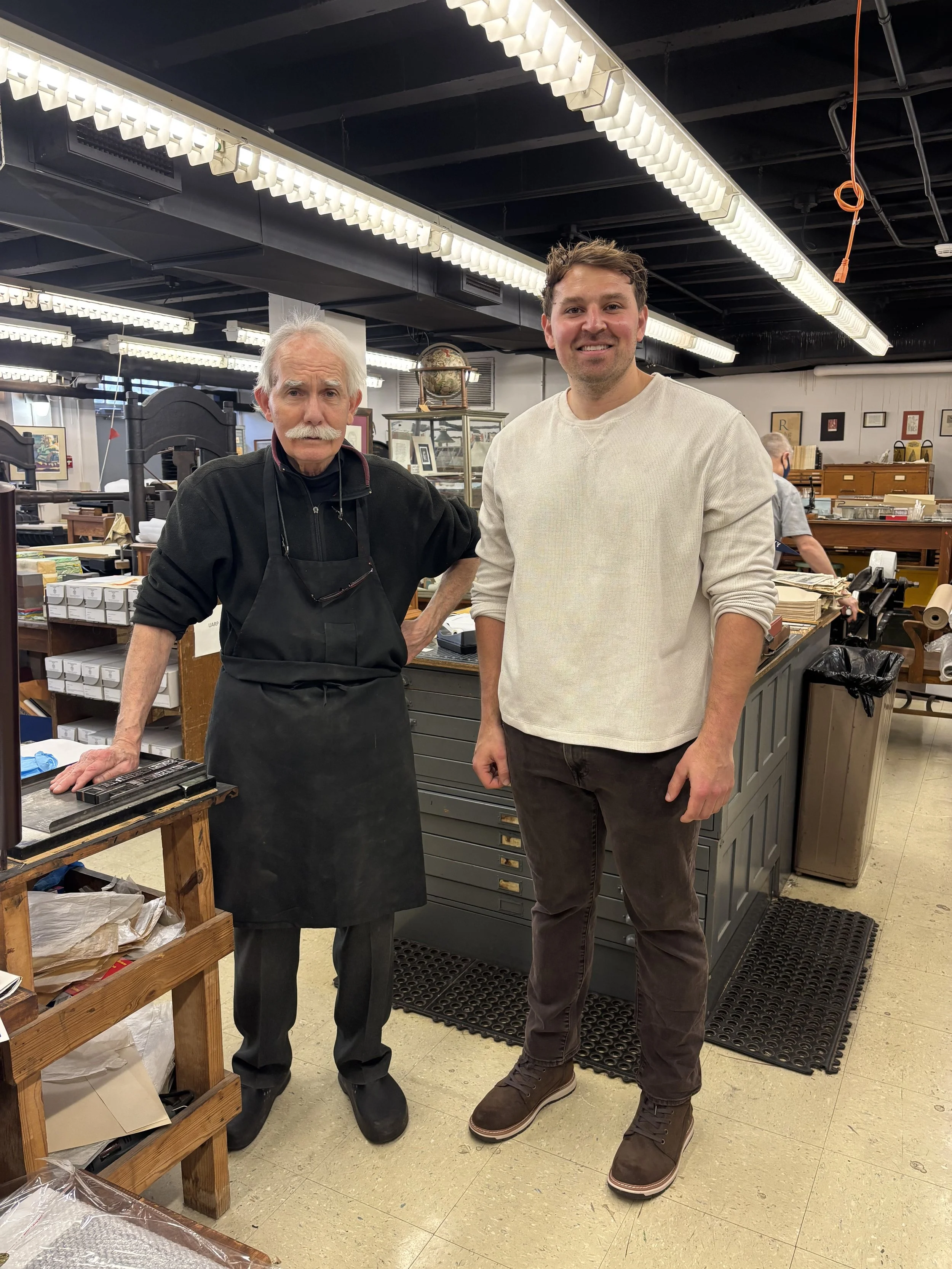
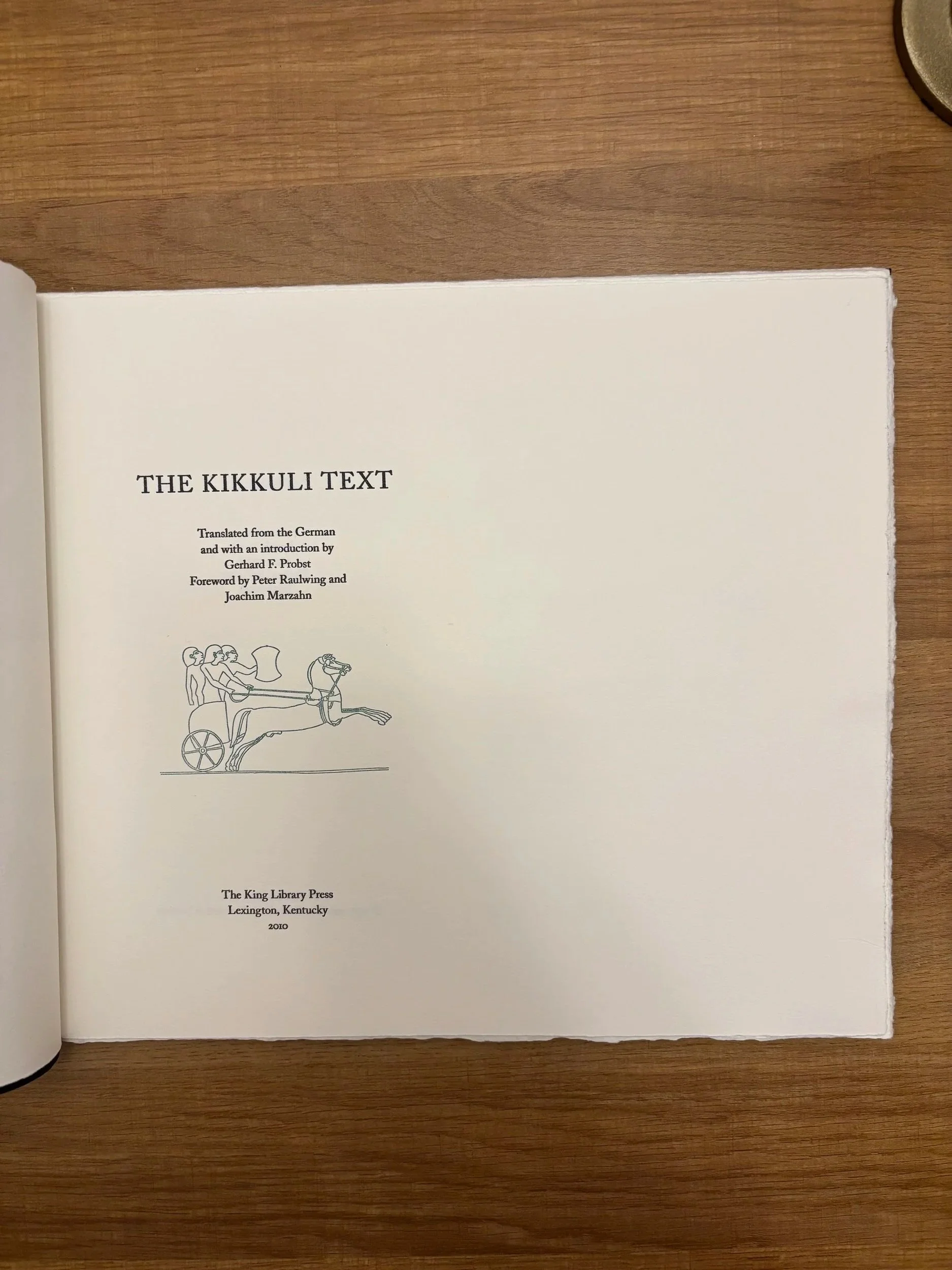
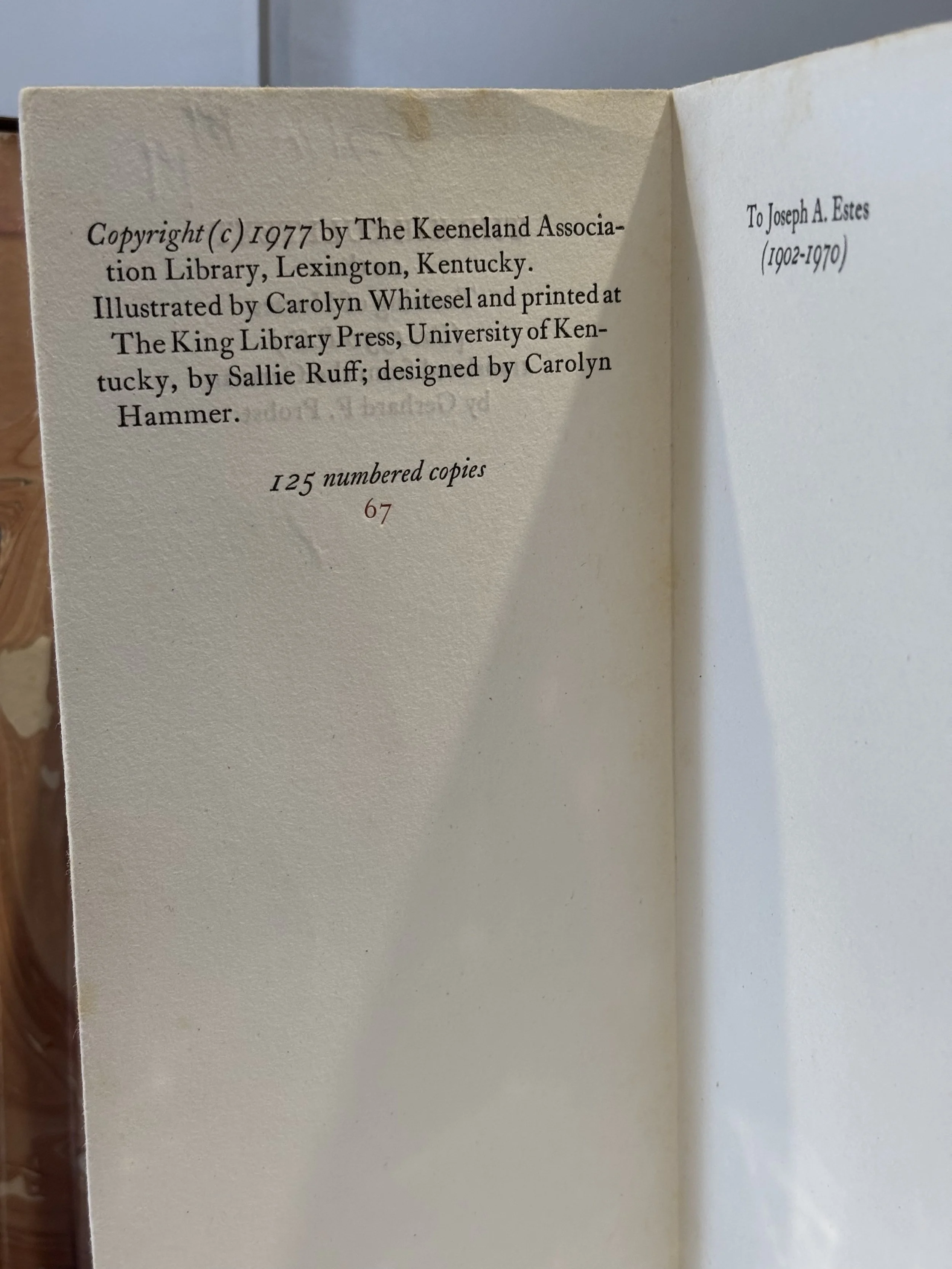
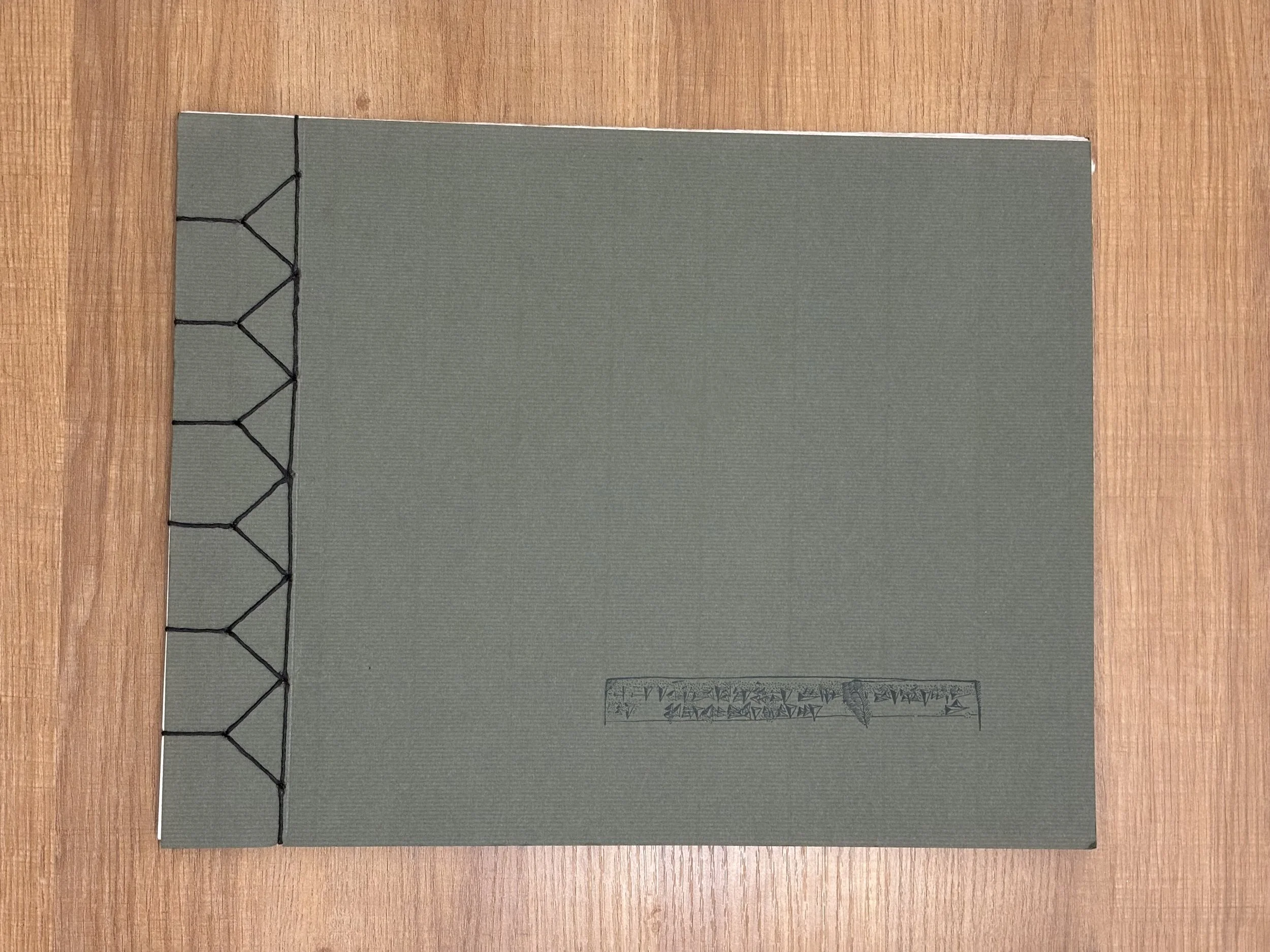
Title: Kikkuli Horse Trainer 1st Edition (1977) #67 /125 And Kikkuli Horse Trainer 2nd Edition (2010) #116 /150 , with supplementary historical letters from Carolyn Hammer given to me by Paul Holbrook (Current Director of the King Library and Creator of the second edition)
The 1977 First Edition: A Monument of Preservation
Edition Details: Copy #67 of 125.
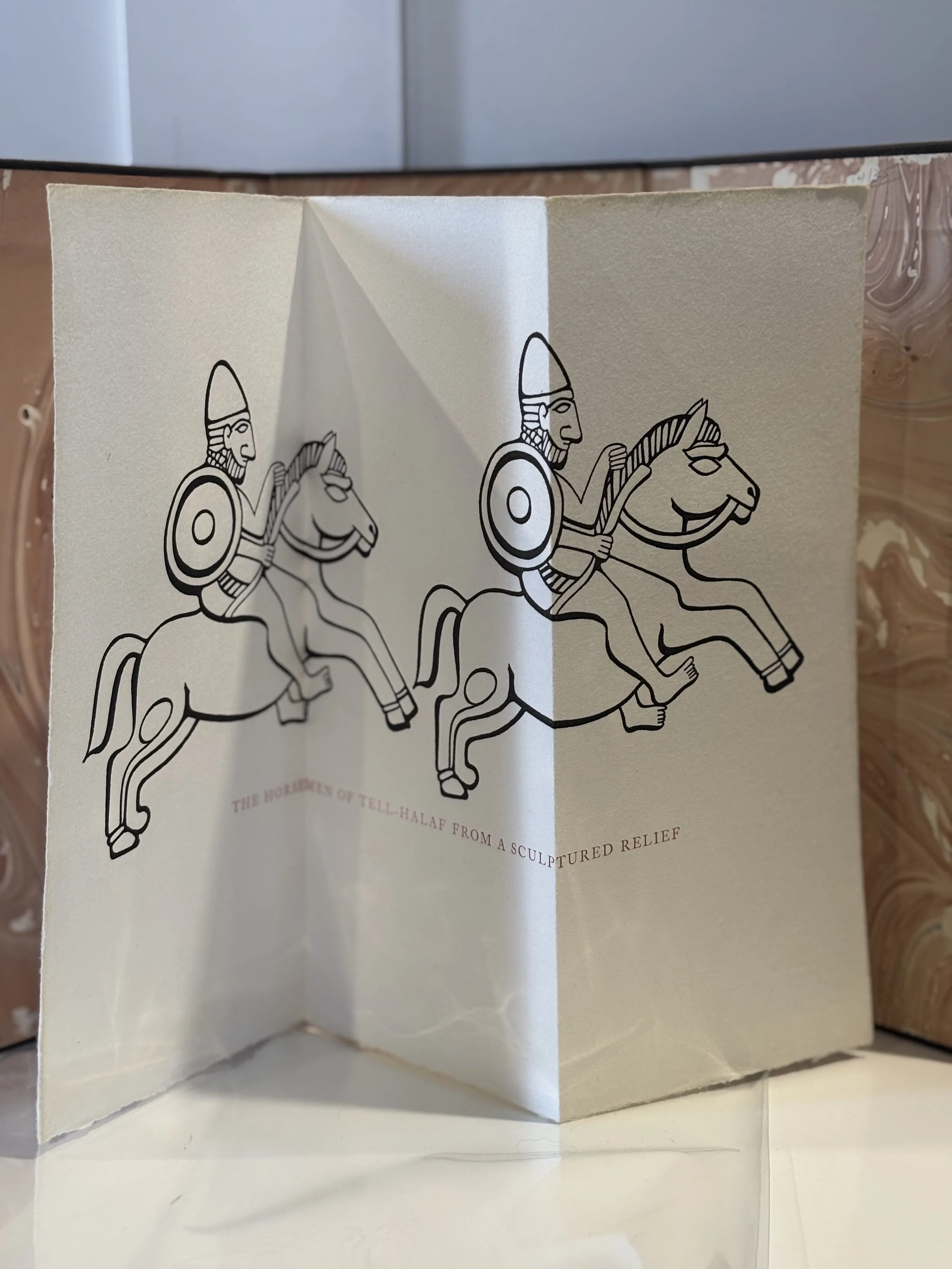
The Press: Hand-printed at the King Library Press (University of Kentucky) under the direction of legendary hand-press printer Carolyn Hammer.
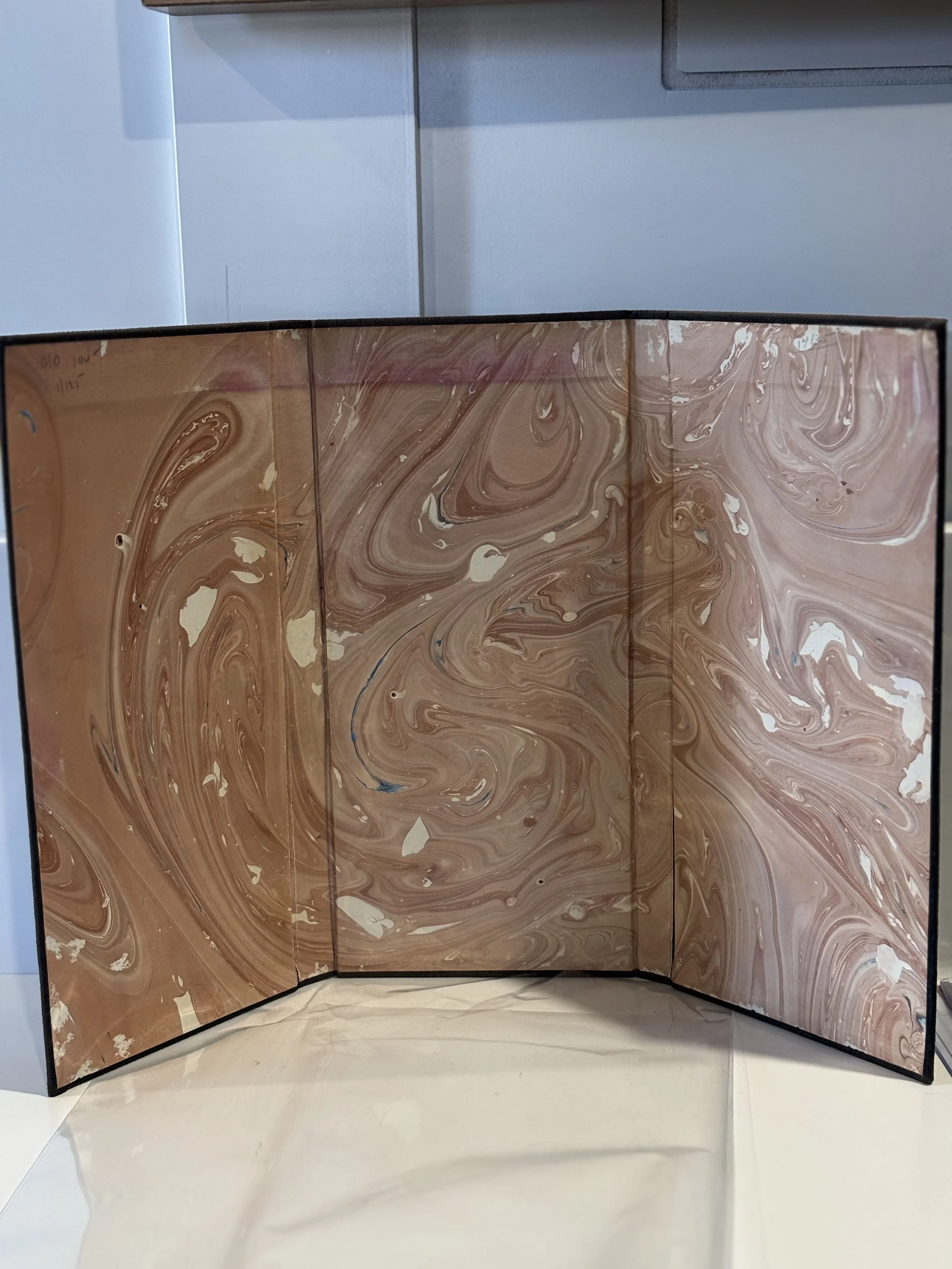
The Context: Commissioned and underwritten by the Keeneland Library, this edition was the first to bring the Hittite "interval training" secrets into the English language via a meticulous, handcrafted physical format. Printed on Japanese paper with illustrations by Carolyn based on ancient Assyrian reliefs, it is housed in a distinct decorated folder.
Significance: This is not just a book; it is a museum-grade artifact produced to teach and perpetuate historic printing methods while preserving equine history.
The 2010 Second Edition: The World Equestrian Games Debut
Edition Details: Copy #116 of 150.
The Context: This edition was specifically commissioned to mark the 2010 Alltech FEI World Equestrian Games in Lexington—the first time the games were held outside of Europe.
The Connection: While the world’s elite endurance riders were competing at the Kentucky Horse Park, this manual was being released to highlight the ancient roots of their sport. One of the original 3,000-year-old clay tablets was even on loan from the Pergamon Museum in Berlin for display at the International Museum of the Horse during the games.
The Production: Newly laid out by Press Director Paul Evans Holbrook, this edition features photopolymer transfer illustrations of Hittite chariots from the Abu Simbel temple.
Status: Not Availiable
Lot #2:
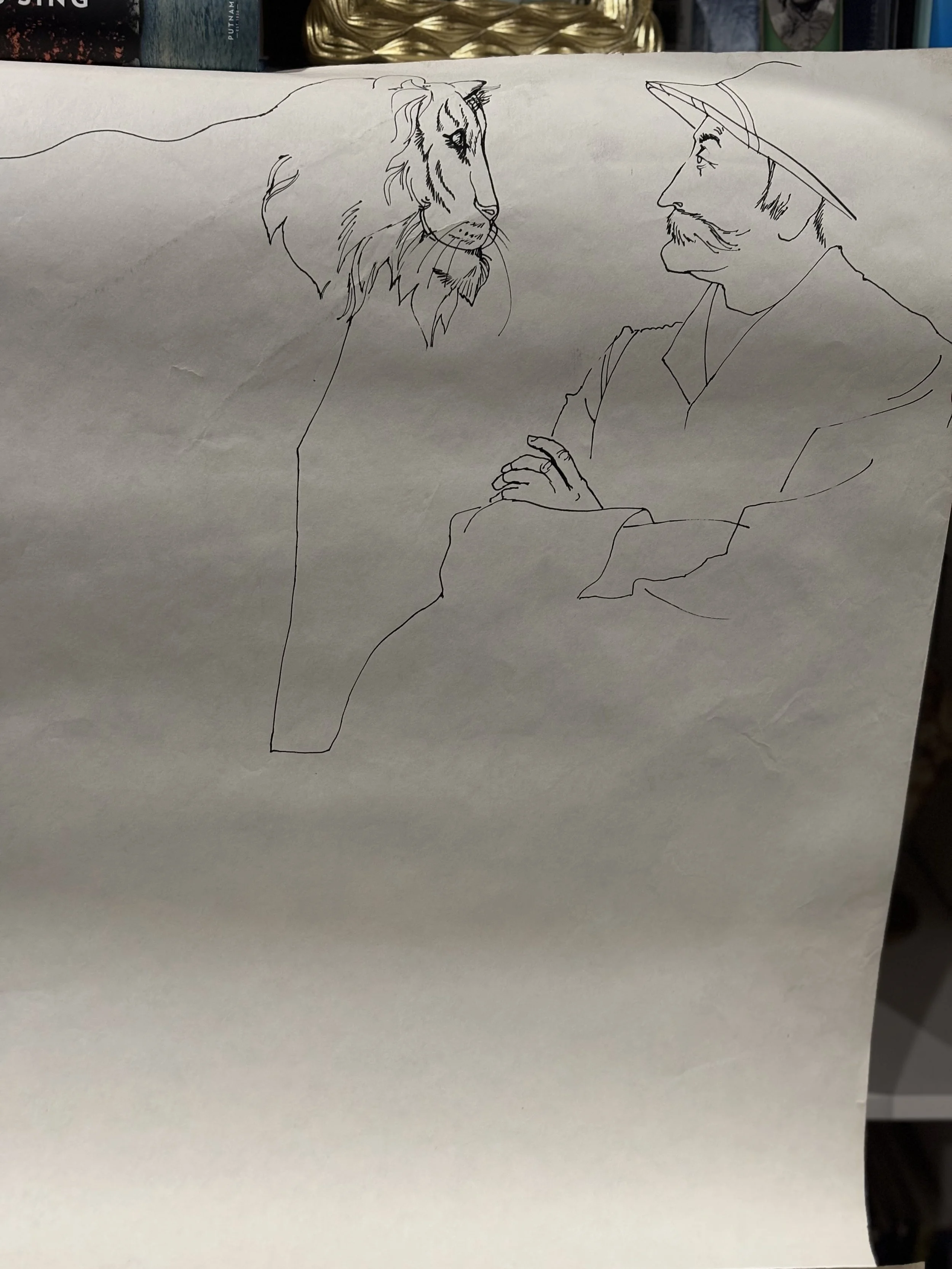
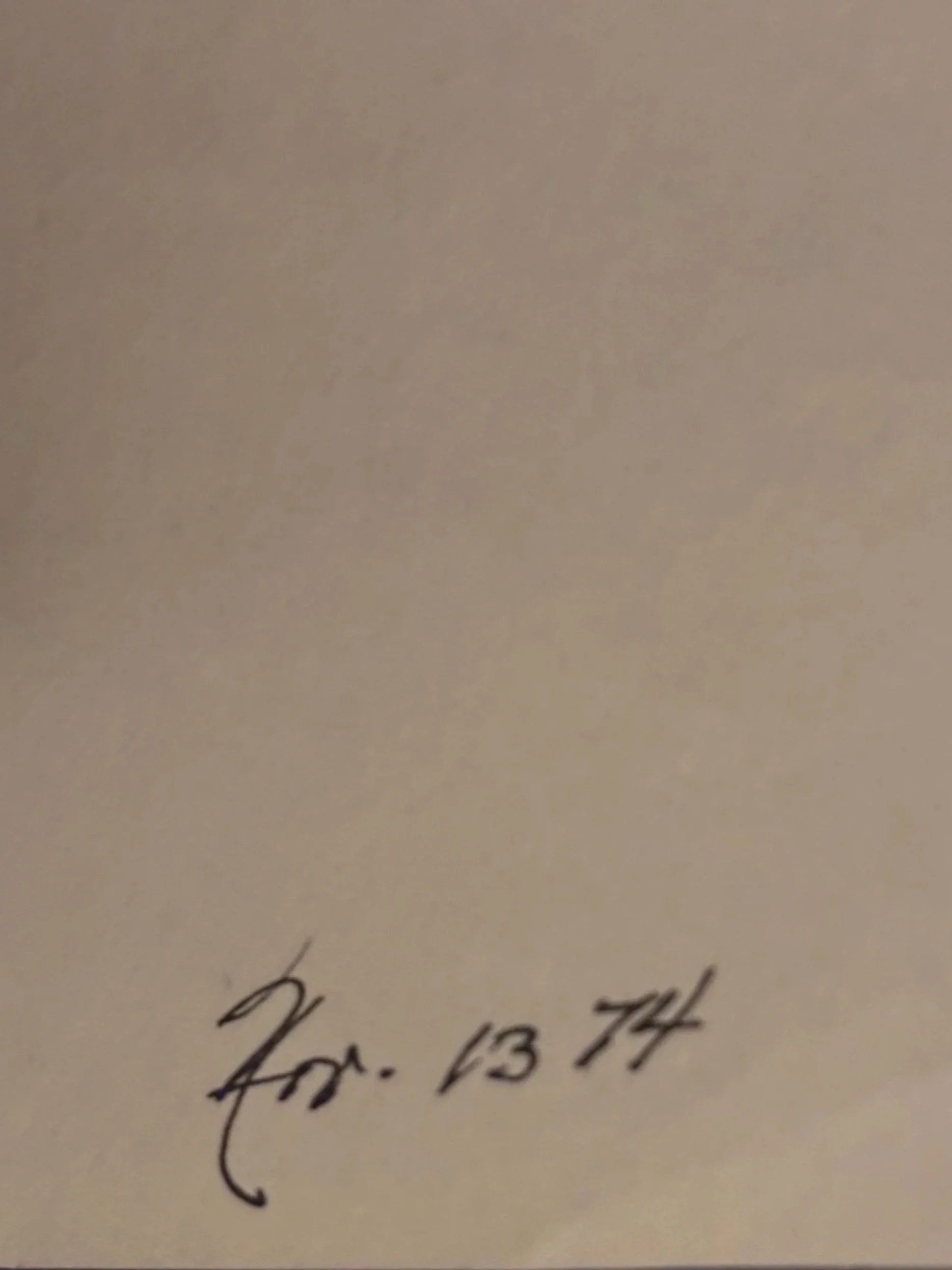
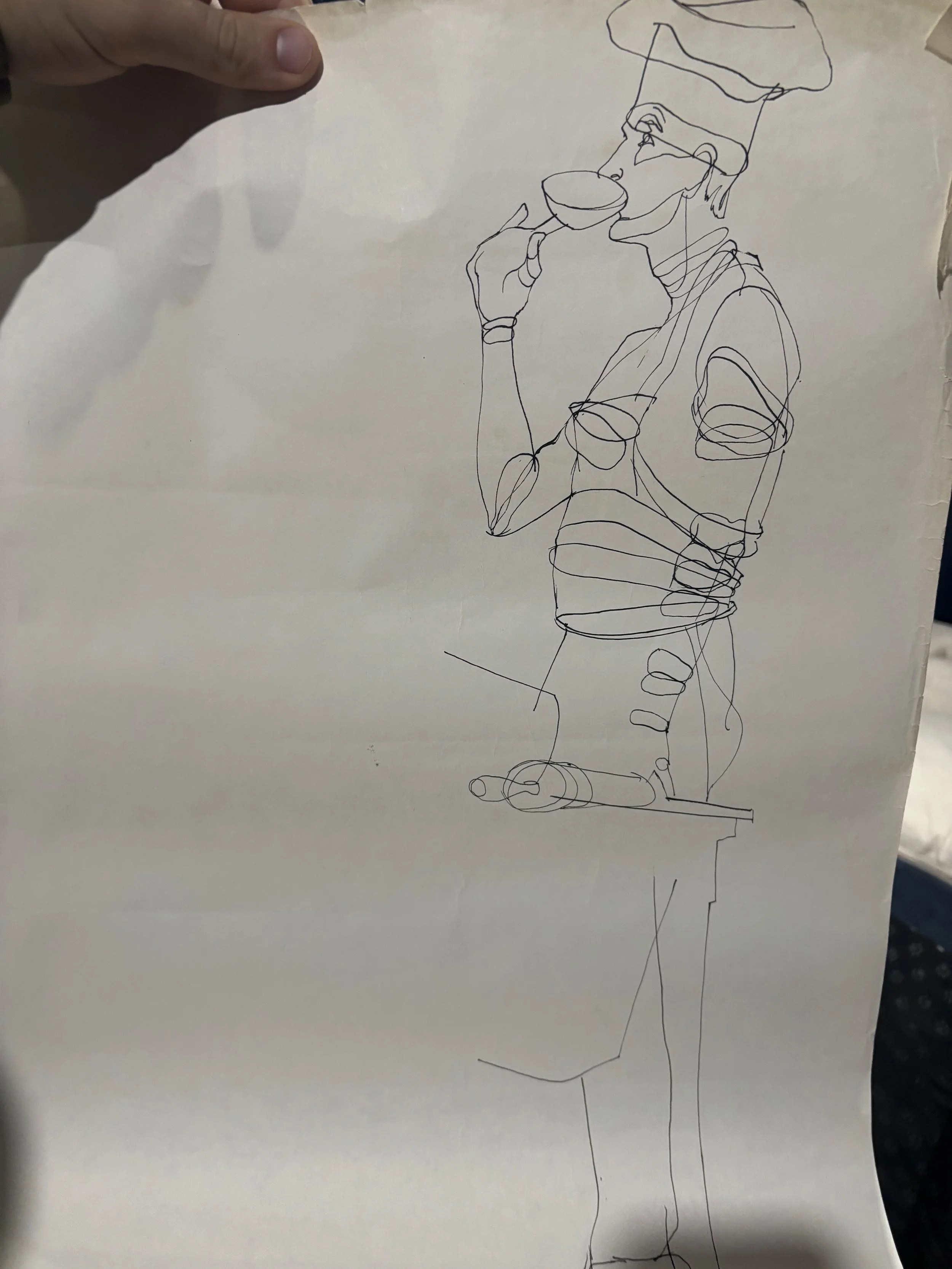
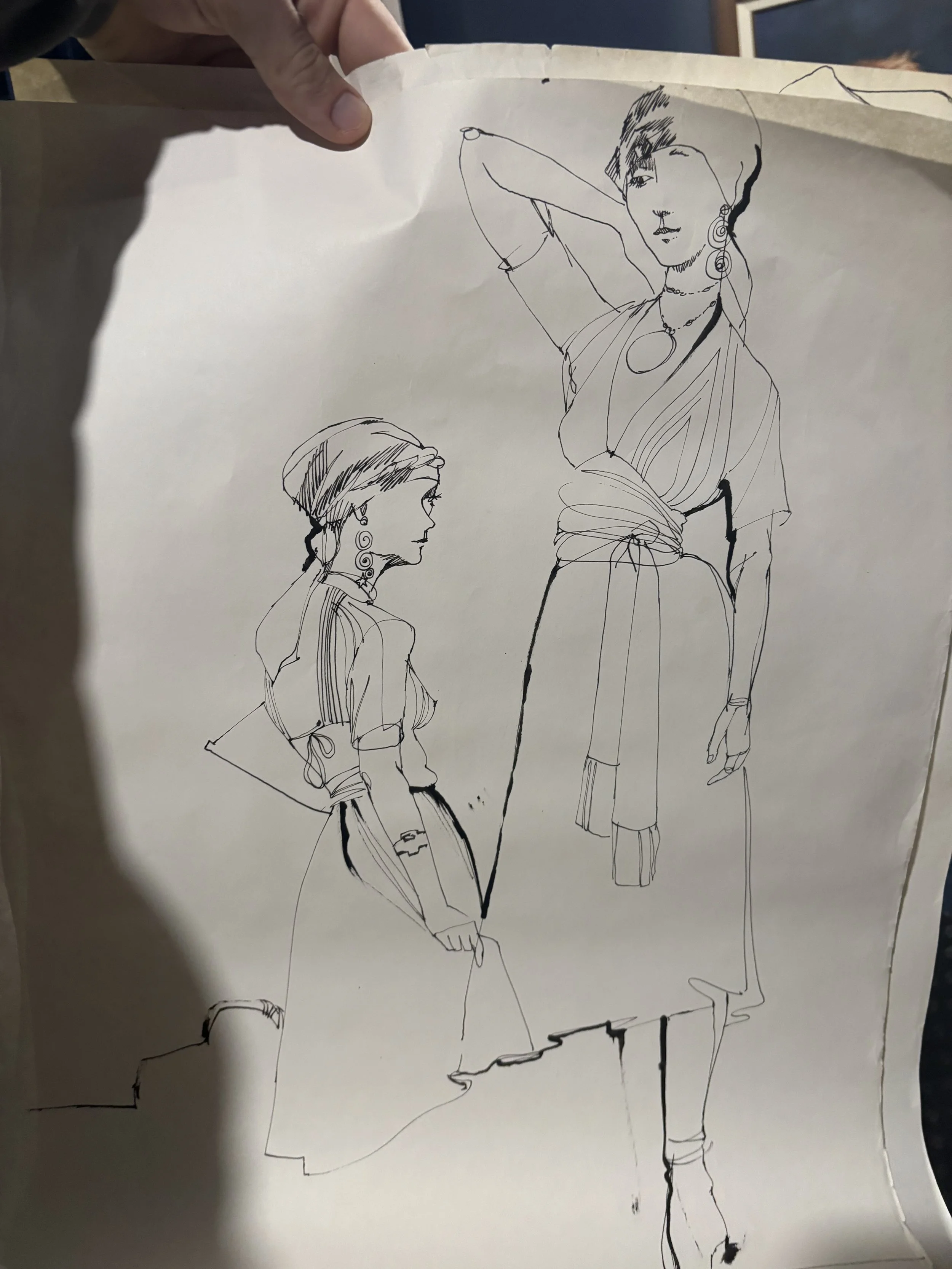
Title: 1970s Paramount Studios Concept Roughs and Sketches
Description: There are 12 total, some are more detailed than others
Movies/Artist Not Identified - One dated Nov 13, 1974, acquired from a very large estate in Seattle Washington
Author: Paramount Studios Artist/Designer
Format: 17 x 23 Poster size - Can Frame On Request



Status: Availiable

Lot #3:
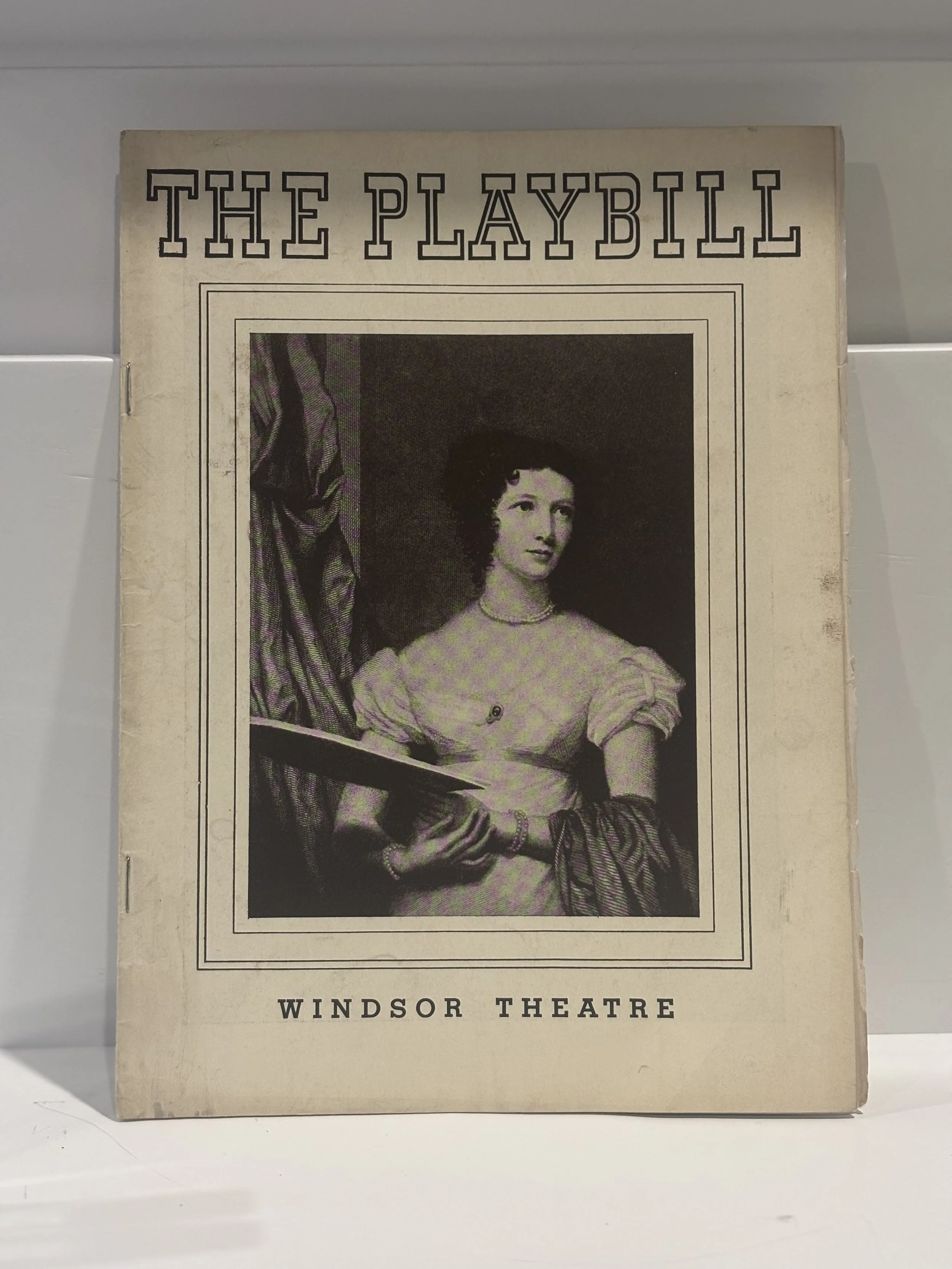
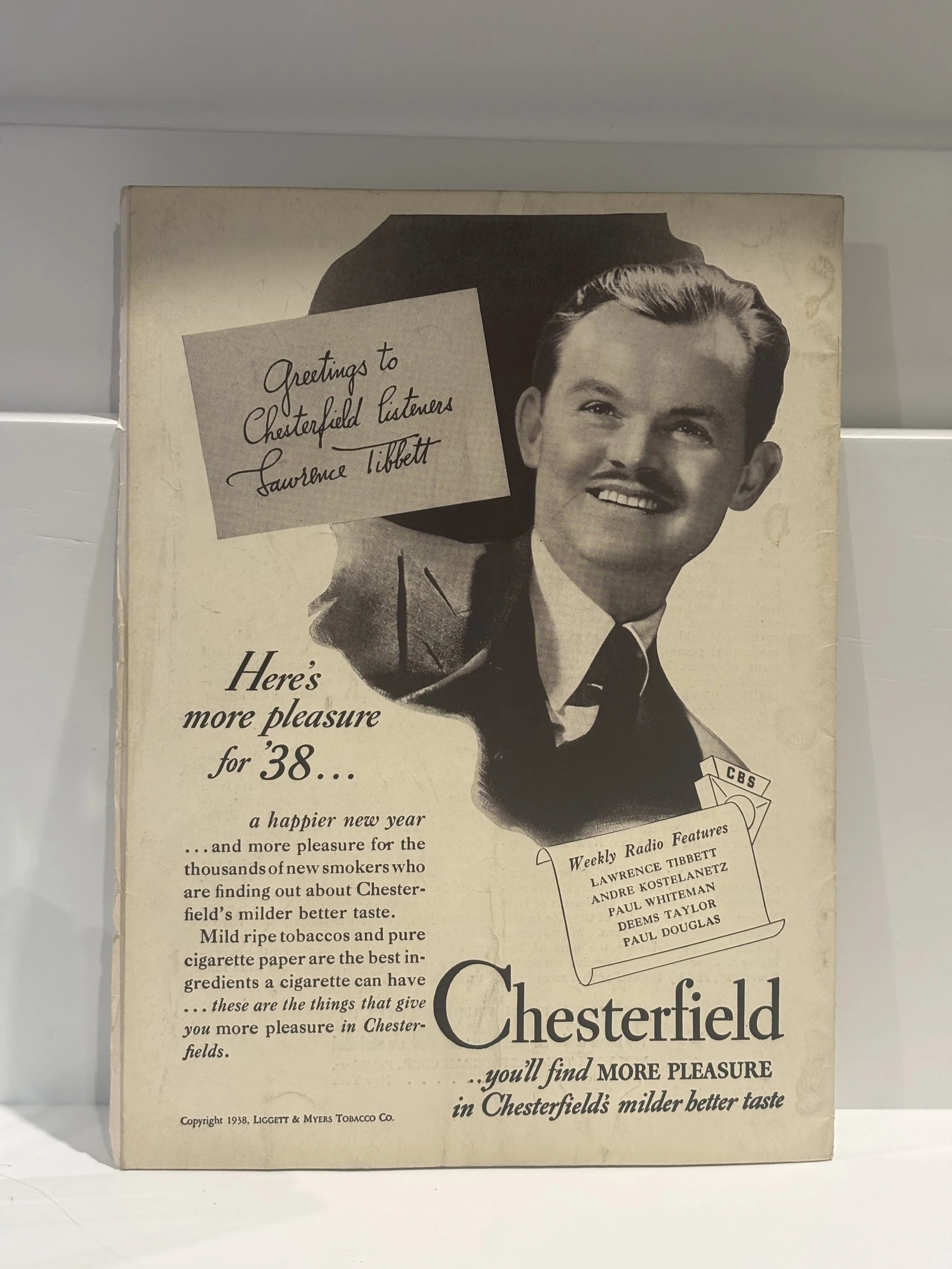
Title: The Cradle Will Rock - January 10, 1938 - Re-Opening Playbill
Production Information:
Show: The Cradle Will Rock (A Play in Music by Marc Blitzstein)
Production: The Mercury Theatre (Orson Welles & John Houseman)
Venue: Windsor Theatre, New York City
Date: January 10, 1938 (Official Opening of the Windsor Run)
Historical Significance: This Playbill is a primary artifact of one of the most famous events in American theatrical history. Originally produced under the Federal Theatre Project, the production was famously padlocked by the government in 1937 due to its pro-labor content. This specific program dates to the January 10, 1938, re-opening after director Orson Welles and producer John Houseman transitioned the show into a legendary independent commercial success.
Key Features for Collectors:
Orson Welles Credit: Features the early career directing credit of Orson Welles, pre-dating Citizen Kane and the War of the Worlds broadcast.
Welles Preface: Includes the iconic printed introductory note by Orson Welles dated January 10, 1938.
Cast: Includes Marc Blitzstein (composer/performer), Will Geer, and Howard Da Silva.
Mercury Theatre Association: A rare document from the short-lived but highly influential Mercury Theatre troupe.

Status: Availiable
Lot #4:
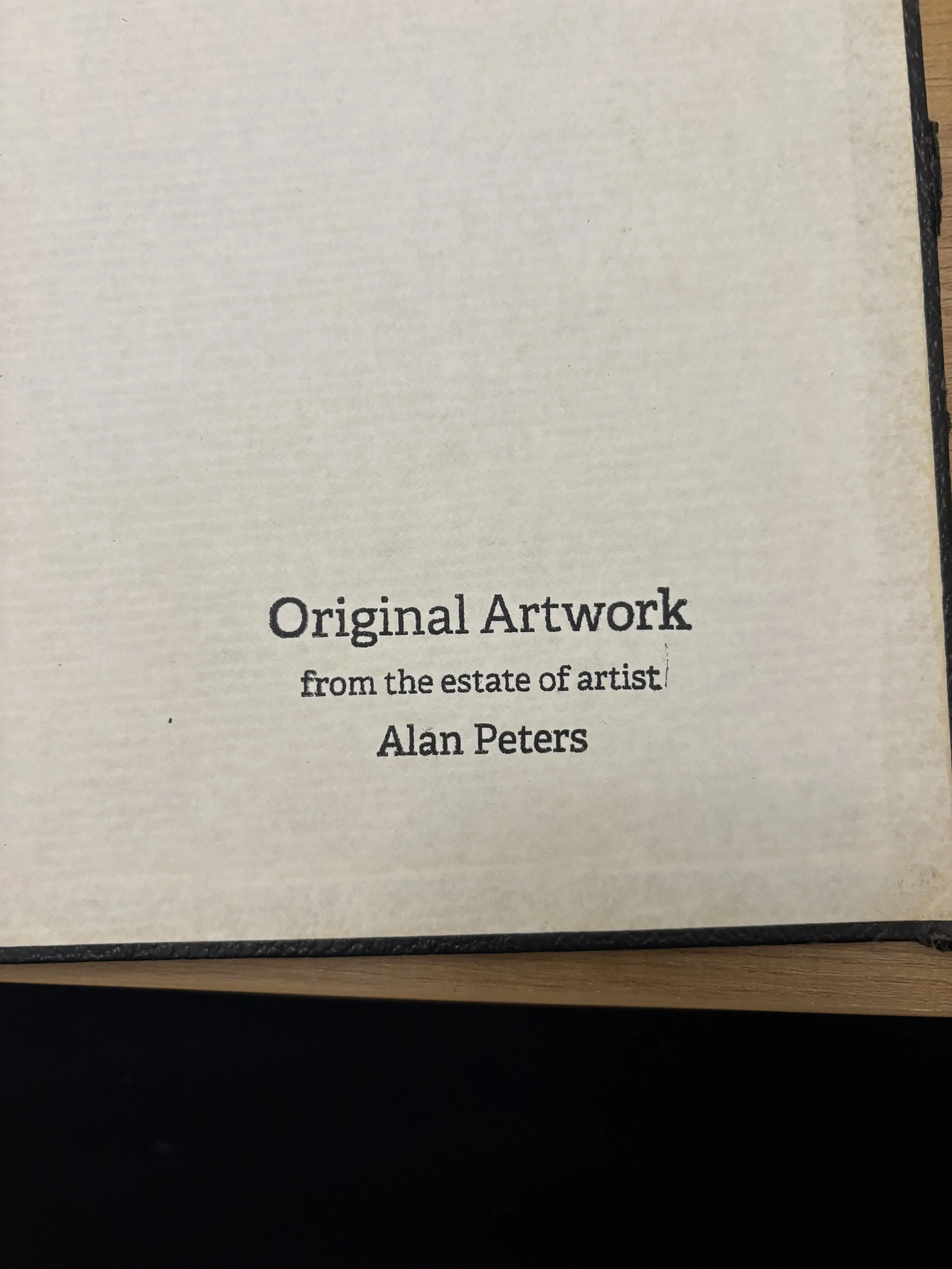
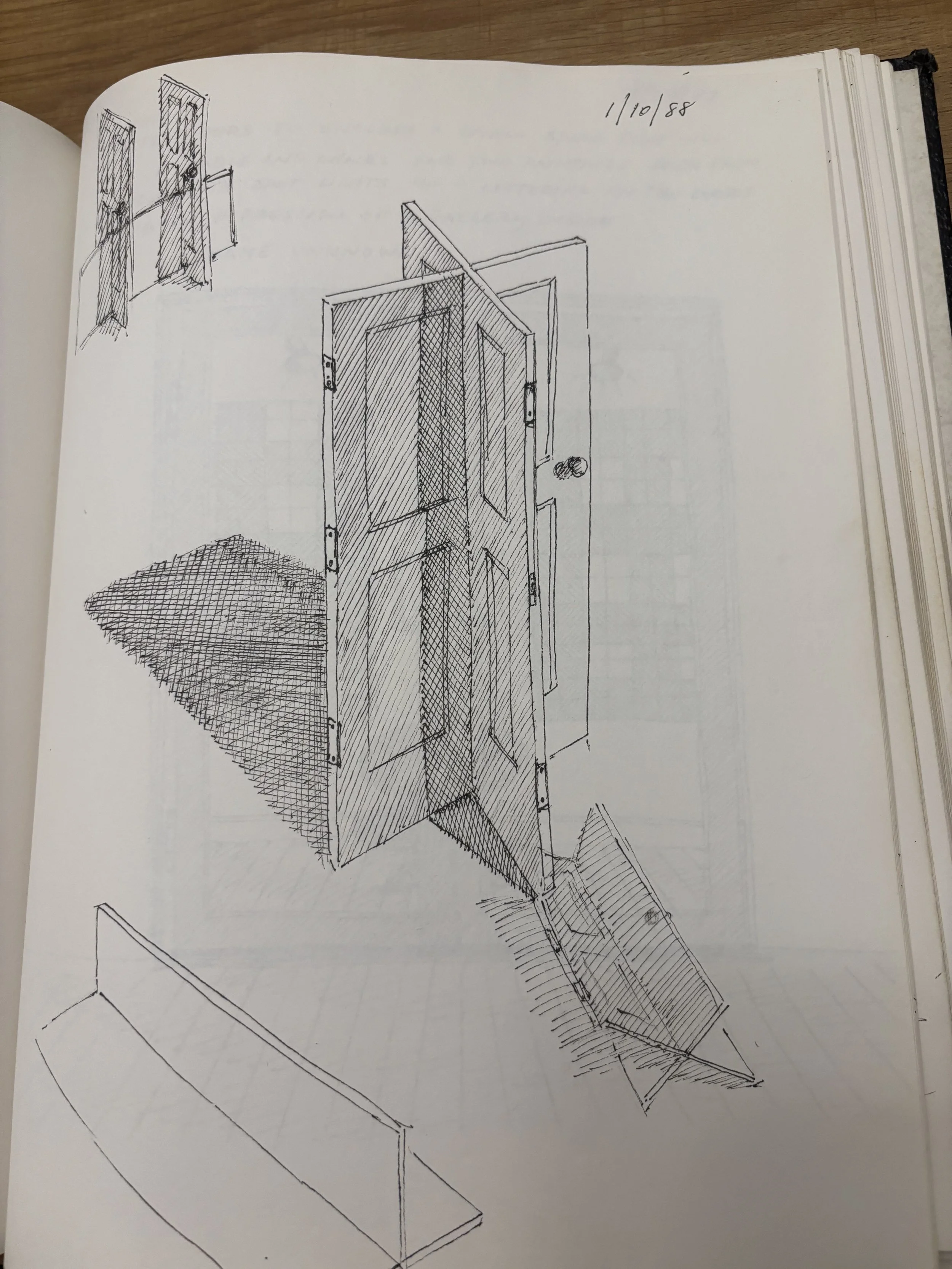
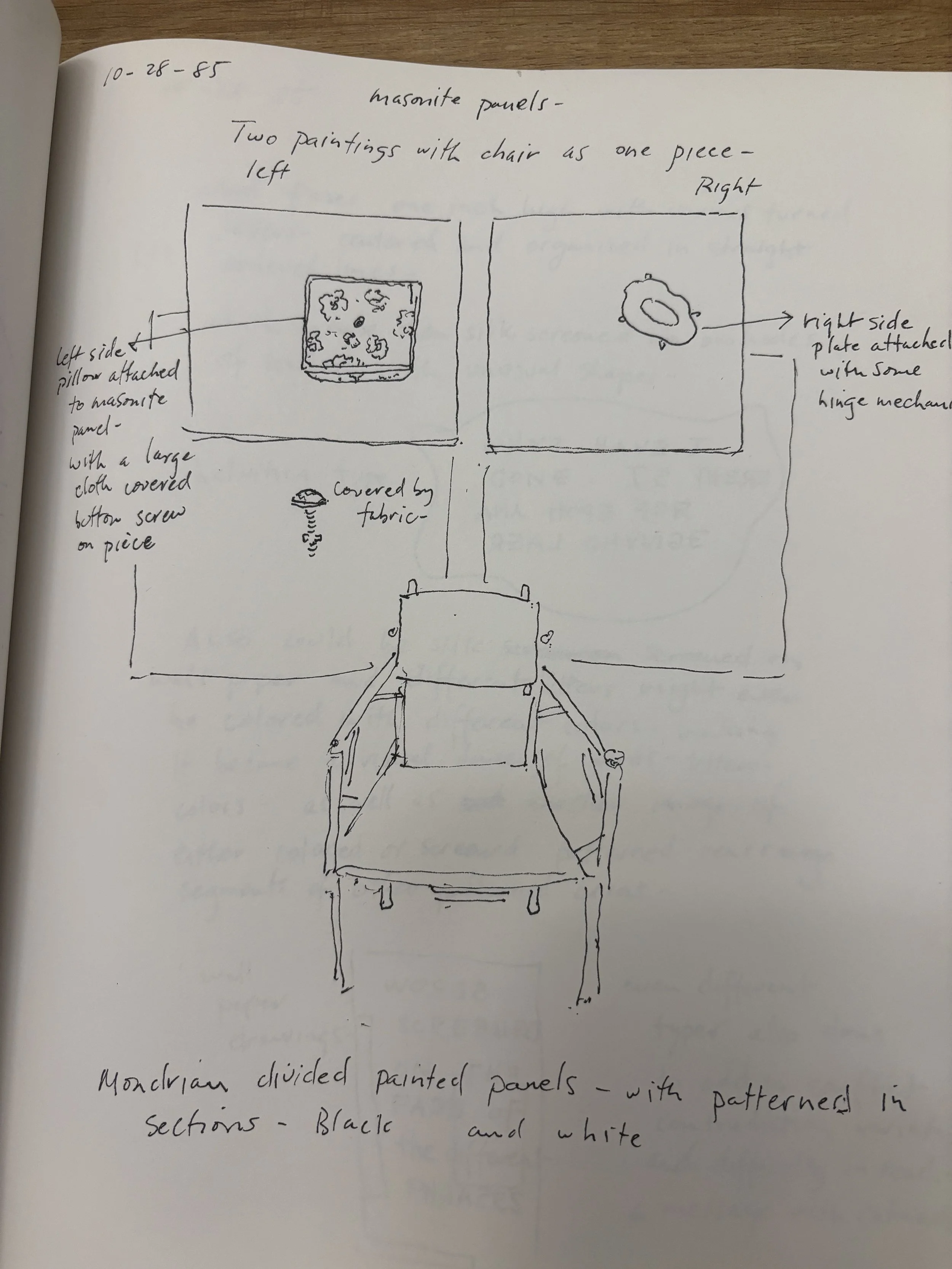
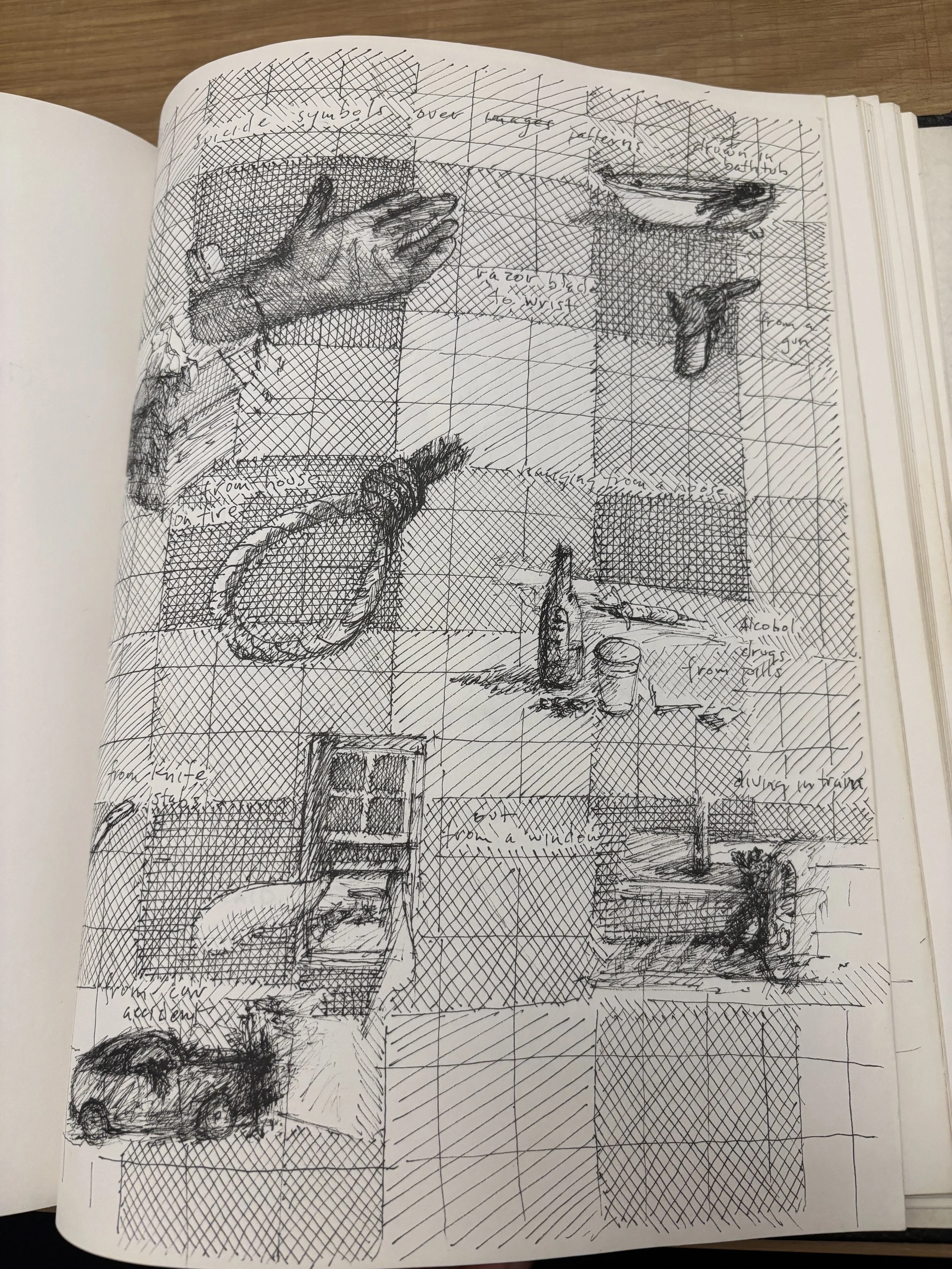
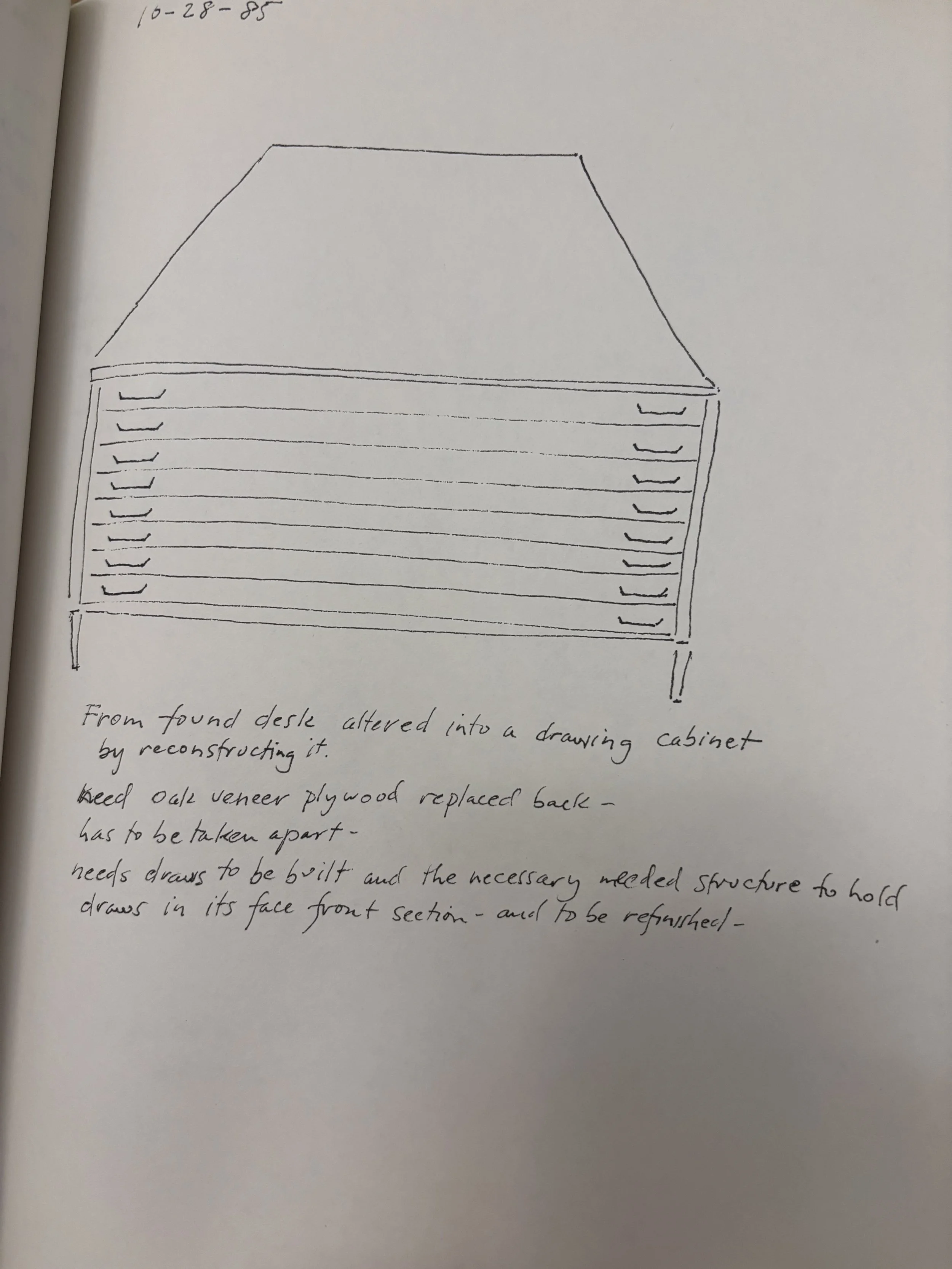
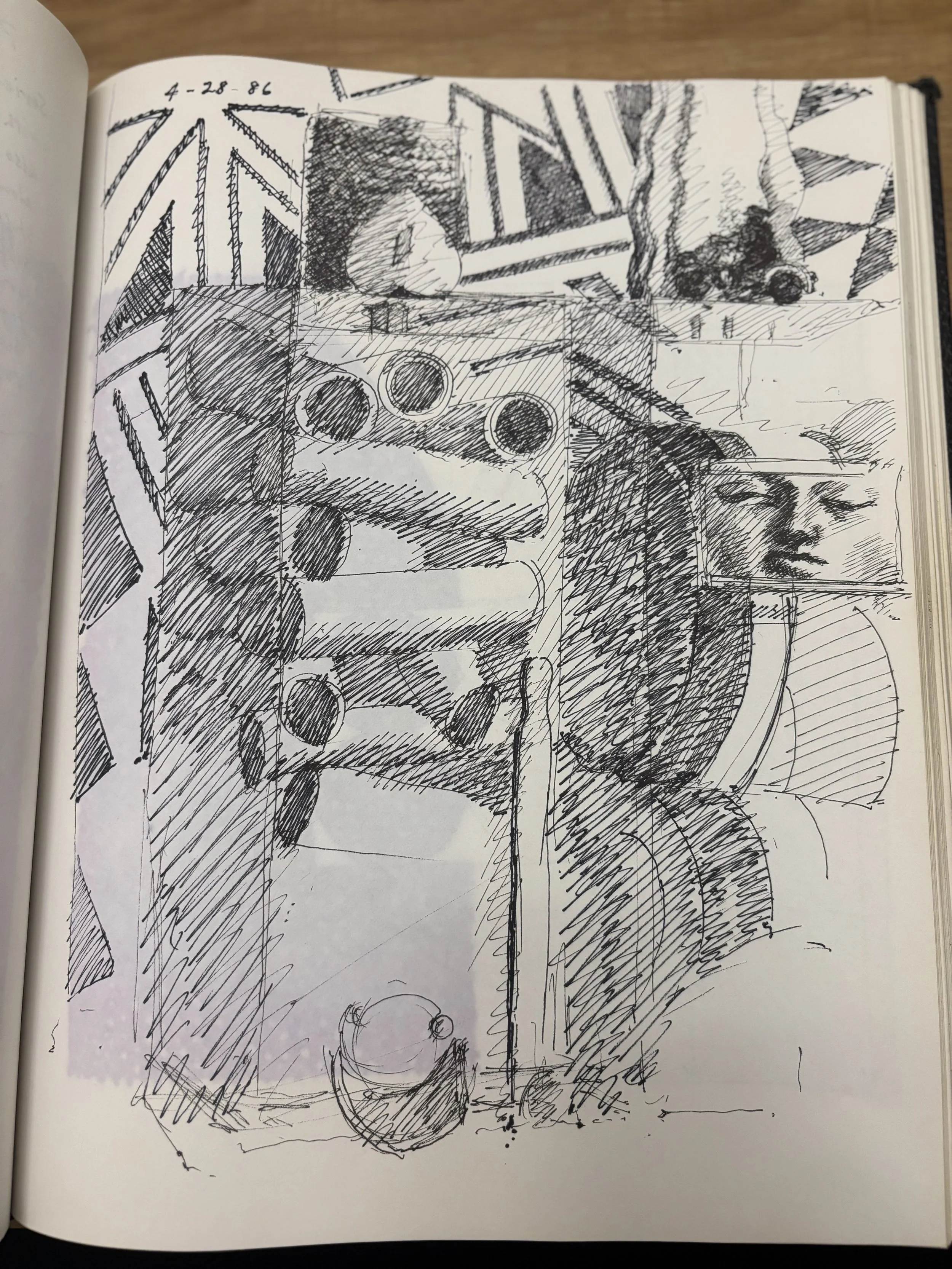
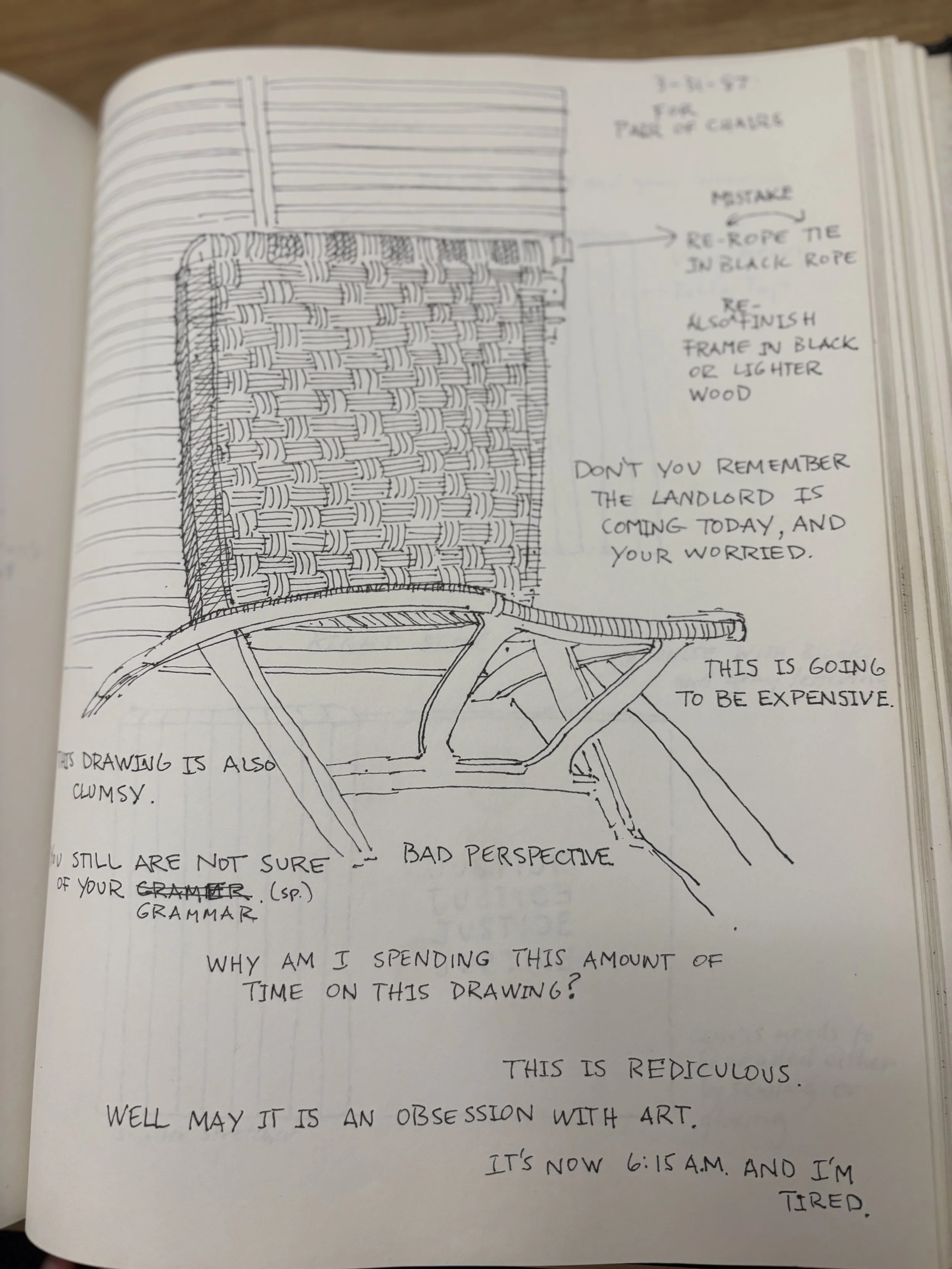
Title: The Journal of Master Craftsman and Furniture Designer Alan Peters
Reference: https://en.wikipedia.org/wiki/Alan_Peters
Description:
This rare journal serves as a window into the mind of Alan Peters OBE, one of the most influential figures in the British Studio Furniture movement. The journal is a rich compilation of hand-rendered sketches, meticulous technical drawings, and philosophical musings on the nature of wood.
Within its pages, you will find:
Original Designs: Early conceptual sketches for his iconic "Fan" tables and curved cabinetry.
Technical Artistry: Detailed joinery diagrams that showcase his transition from traditional Arts and Crafts techniques to a modern, minimalist aesthetic.
Historical Overview: Who was Alan Peters?
Alan Peters (1933–2009) was a titan of 20th-century furniture making. His career is often defined by his unique ability to honor the past while relentlessly pursuing a modern, functional style.
The Edward Barnsley Apprenticeship
Peters' journey began in the heart of the Arts and Crafts movement. In 1949, he secured an apprenticeship with Edward Barnsley, whose father, Sidney Barnsley, was a central figure in the Cotswold school of craftsmanship. This period instilled in Peters a rigorous, uncompromising standard for hand-tool mastery and traditional joinery.
The Japanese Influence
In the mid-1970s, a pivotal trip to Japan fundamentally altered his design DNA. He became fascinated by the simplicity, economy of form, and spiritual respect for wood found in Japanese architecture and woodworking. This led to his signature style: furniture that felt "light," featured subtle curves, and avoided the heavy ornamentation of earlier British styles.
Legacy and Philosophy
Peters was a staunch advocate for the "Direct Entry" system, believing that a craftsman should be involved in every stage—from selecting the log to the final polish.
Honors: He was awarded an OBE in 1990 for his services to furniture making.
The "Alan Peters Award": Following his passing, an award was established in his name to encourage new talent in the field, ensuring his commitment to excellence lives on.
"The wood is the inspiration. You must work with it, not against it." — Alan Peters
https://www.thewoodworkermag.com/alan-peters-furniture-award-2022
Status: Availiable
Submit a Bid
Please use this form to submit a bid for the item you want. I will review and it will be accepted or rejected. You will get an email or text with the status of your offer.