
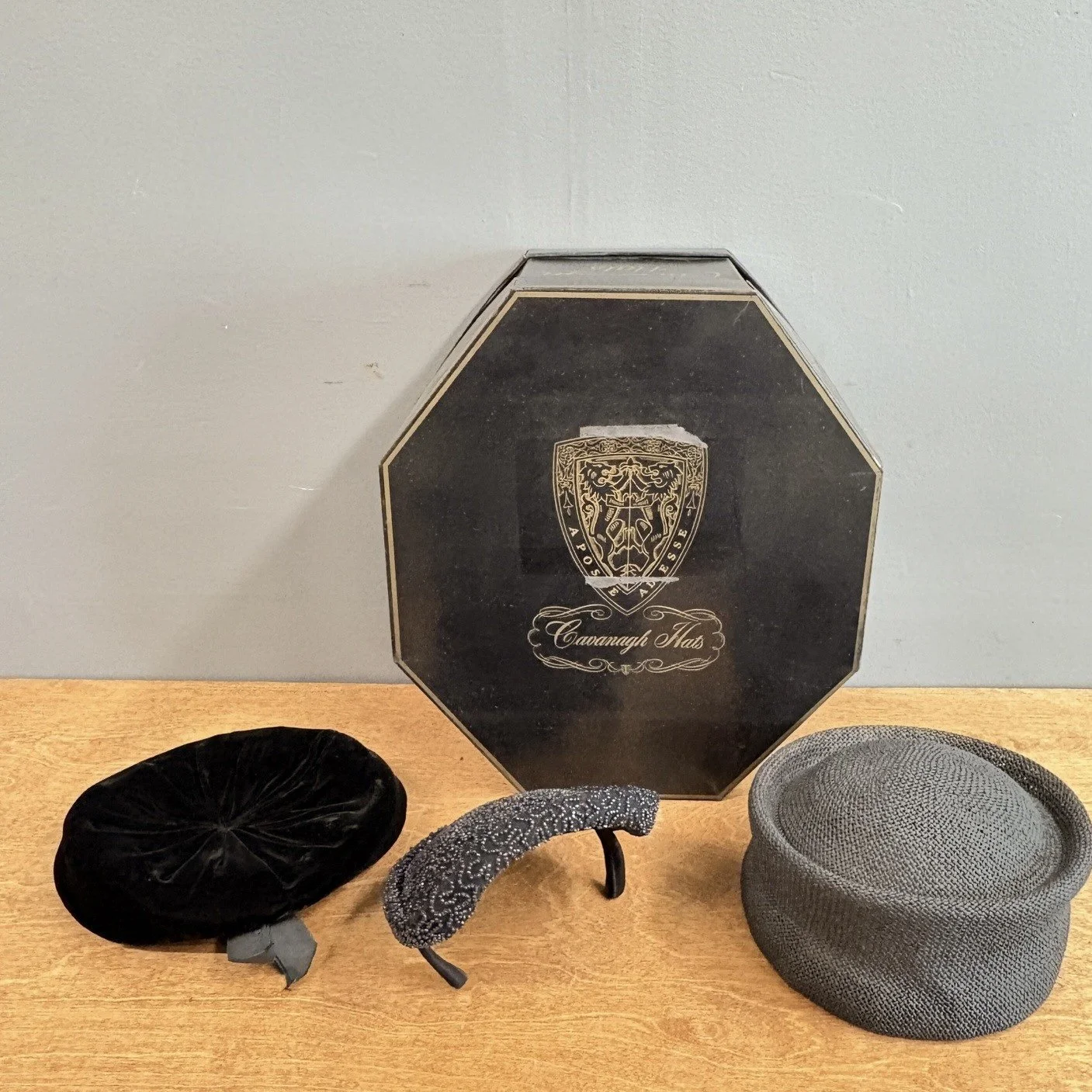

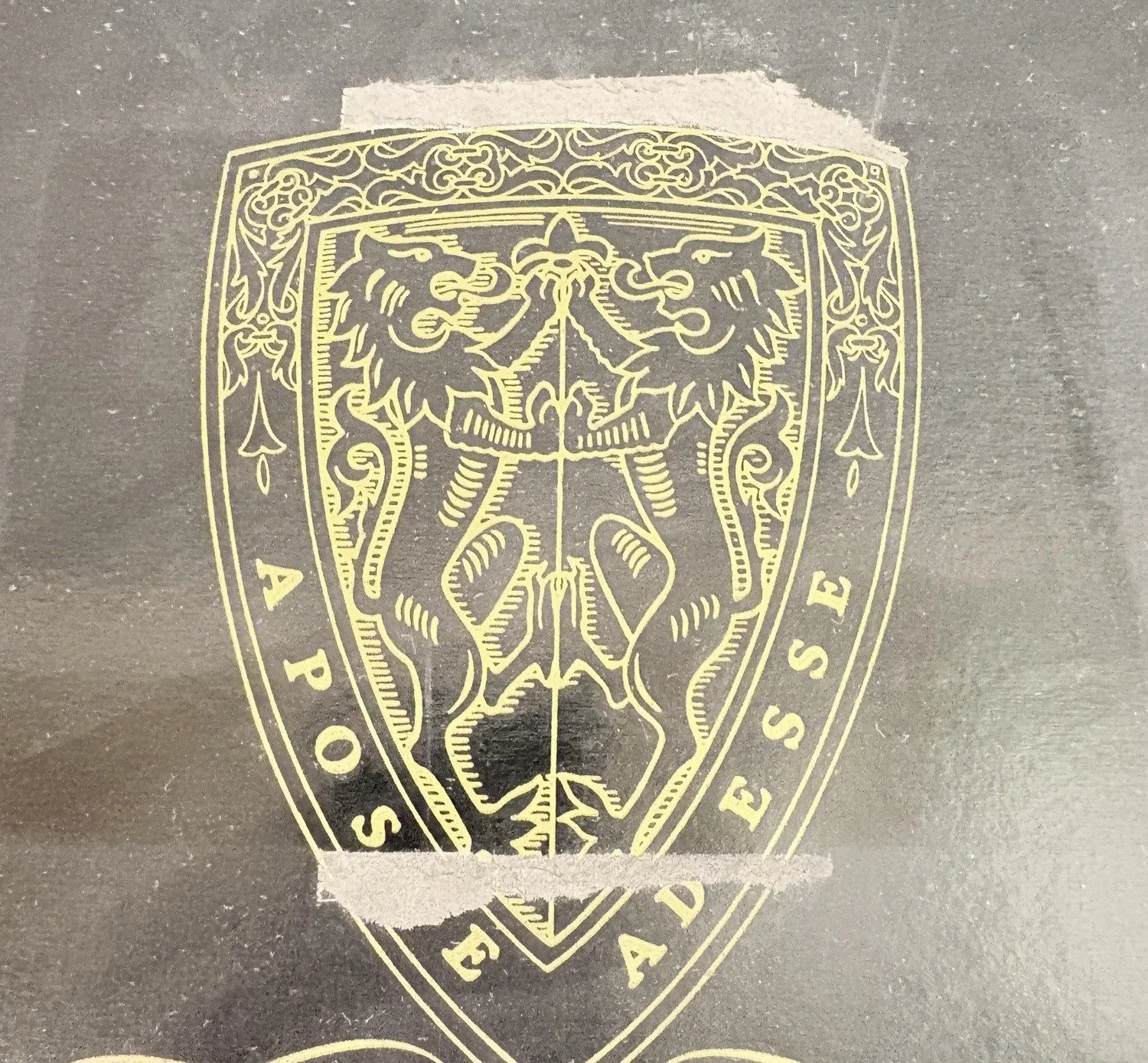
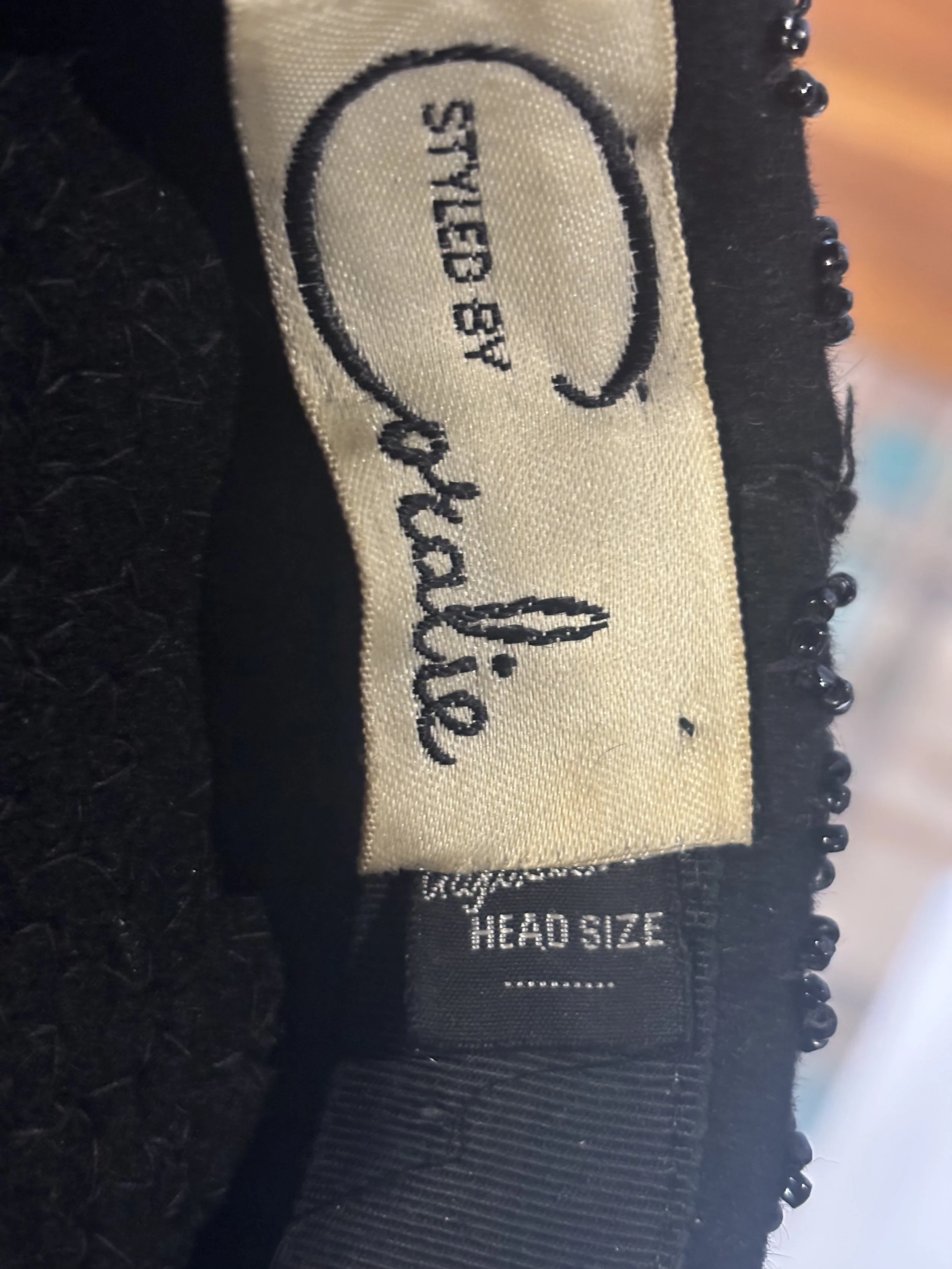
Cavanagh was one of the most prestigious names in American hatting during the 20th century.
Founded by John Cavanagh in 1928, the brand was synonymous with the "Upper East Side" look. Their flagship store was at 247 Park Avenue. They were famous for a patented "hand-felted" edge on their brims (instead of a sewn or raw edge), which made the hats incredibly durable and hold their shape. While they were primarily a men’s luxury hatter, their boxes were frequently reused or used to store high-end women's pieces from similar luxury retailers. If the unmarked hat is a felt fedora or structured cloche, it likely belongs to this box.
This is a quintessential 1950s–early 60s women's millinery label.
The Style: Coralie hats were mid-to-high-tier boutique items often found in department stores like Marshall Field's or specialty dress shops. They are known for their "cocktail" styles—pillboxes, fascinators with netting, and floral-embellished straw hats.
Materials: During the '50s, Coralie used a lot of Italian straw, velvet ribbons, and delicate veiling. These were designed to be "occasion" hats for church, luncheons, or weddings.
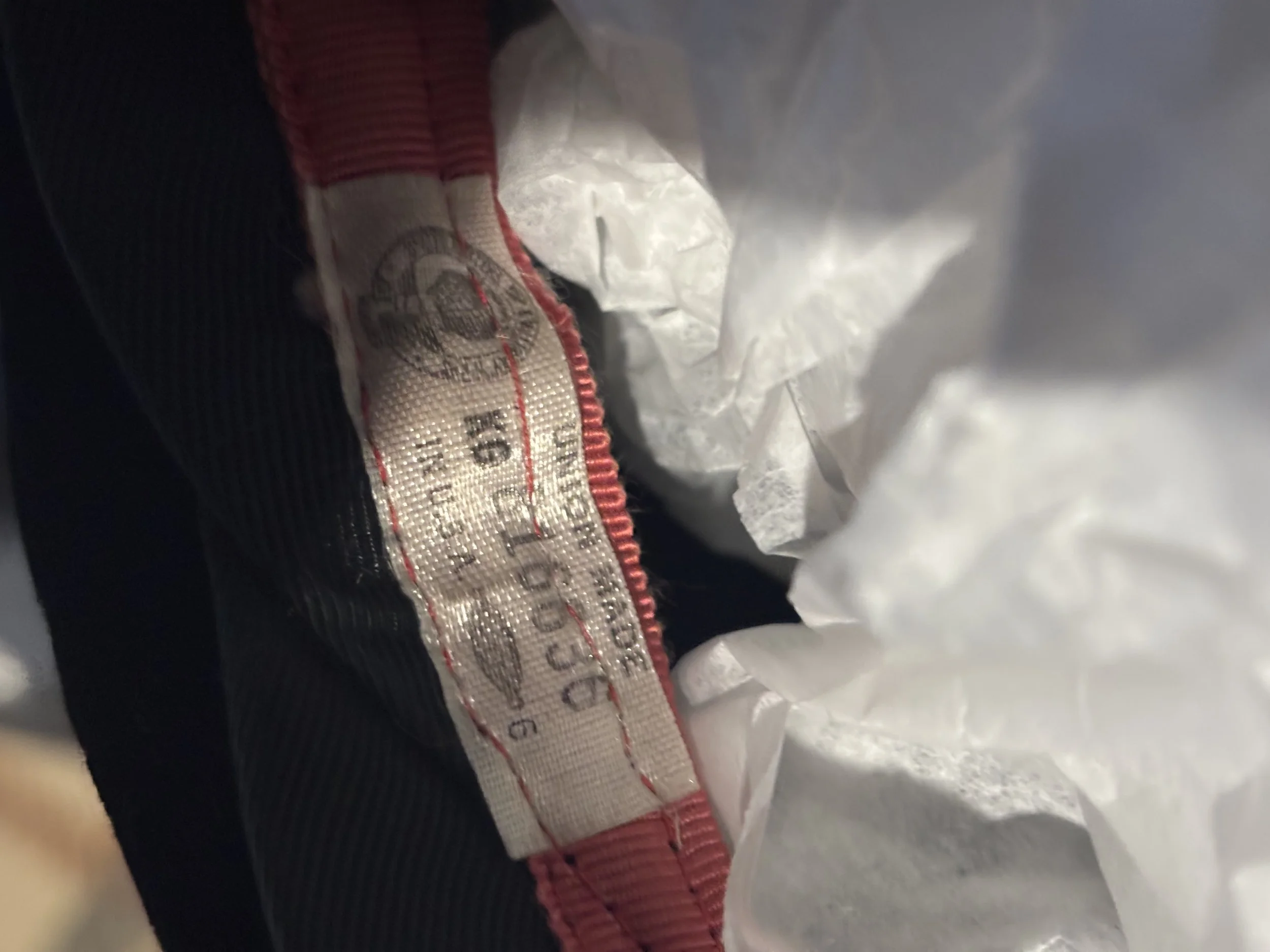
The presence of a union label is one of the best ways to date vintage clothing.
The Union: This is likely the LGWU (International Ladies' Garment Workers' Union) or the United Hatters, Cap & Millinery Workers.
Dating Tip: If the label is a small rectangular fabric tag (often blue or red/white/blue) sewn into the sweatband:
A label with a circular "bug" (logo) and a needle/thread usually dates from 1955 to 1963.
Earlier labels (pre-1955) often had simpler text or an eagle motif.
Significance: It signifies a period when American manufacturing was at its peak, and "buying union" was a mark of quality and middle-class pride.
No results match your search. Try removing a few filters.