Straight from the "Cellar" to the home of the Derby, this 1845 Ledoux lithograph is a tribute to the raw power of the horse. Long before the first gate opened at Churchill Downs, artists like Ledoux were documenting the specialized bond between man and beast.
This isn't a modern digital print. This is a stone-pulled lithograph from the 1840s, featuring the "foxing" and patina that only 180 years of history can create. It captures a French post rider mid-route, pipe in mouth, perfectly balanced between two working giants.
The Artist Profile
Full Name: Oscar-Charles Ledoux (1819–1874).
Active Period: 1840–1865 in Paris.
The Specialty: He was part of the "Naturalist" movement in horse art. Unlike the earlier "Romantic" artists who made horses look like mythical beasts, Ledoux focused on the anatomy of the animal—the veins, the sweat, and the specific muscle tension of horses in harness.
2. The Publication Source
Most of Ledoux's 1840s lithographs were published by Jean-René Gosselin or Goupil & Cie, the premier art dealers of Paris.
The Series: Your Le Postillon piece was part of a larger collection titled "Études de Chevaux" (Horse Studies) or "Motifs Équestres".
Museum Records: You can find similar Ledoux lithographs in the permanent collections of the Musée Carnavalet in Paris and the National Library of France (BnF), where his work is archived under "French Lithographers of the Mid-19th Century."
3. Historical Context:
The Bridge Artist: Ledoux lived in the shadow of the legendary Théodore Géricault (the father of French horse art). Ledoux is credited with taking Géricault's high-art style and making it accessible to the middle class through lithography.
The Postal Service (Postillon) Context: In the 1840s, the French government was nationalizing the post. Ledoux was commissioned to document the "dying" era of the post rider before the steam train took over.
Straight from the "Cellar" to the home of the Derby, this 1845 Ledoux lithograph is a tribute to the raw power of the horse. Long before the first gate opened at Churchill Downs, artists like Ledoux were documenting the specialized bond between man and beast.
This isn't a modern digital print. This is a stone-pulled lithograph from the 1840s, featuring the "foxing" and patina that only 180 years of history can create. It captures a French post rider mid-route, pipe in mouth, perfectly balanced between two working giants.
The Artist Profile
Full Name: Oscar-Charles Ledoux (1819–1874).
Active Period: 1840–1865 in Paris.
The Specialty: He was part of the "Naturalist" movement in horse art. Unlike the earlier "Romantic" artists who made horses look like mythical beasts, Ledoux focused on the anatomy of the animal—the veins, the sweat, and the specific muscle tension of horses in harness.
2. The Publication Source
Most of Ledoux's 1840s lithographs were published by Jean-René Gosselin or Goupil & Cie, the premier art dealers of Paris.
The Series: Your Le Postillon piece was part of a larger collection titled "Études de Chevaux" (Horse Studies) or "Motifs Équestres".
Museum Records: You can find similar Ledoux lithographs in the permanent collections of the Musée Carnavalet in Paris and the National Library of France (BnF), where his work is archived under "French Lithographers of the Mid-19th Century."
3. Historical Context:
The Bridge Artist: Ledoux lived in the shadow of the legendary Théodore Géricault (the father of French horse art). Ledoux is credited with taking Géricault's high-art style and making it accessible to the middle class through lithography.
The Postal Service (Postillon) Context: In the 1840s, the French government was nationalizing the post. Ledoux was commissioned to document the "dying" era of the post rider before the steam train took over.

 Image 1 of 6
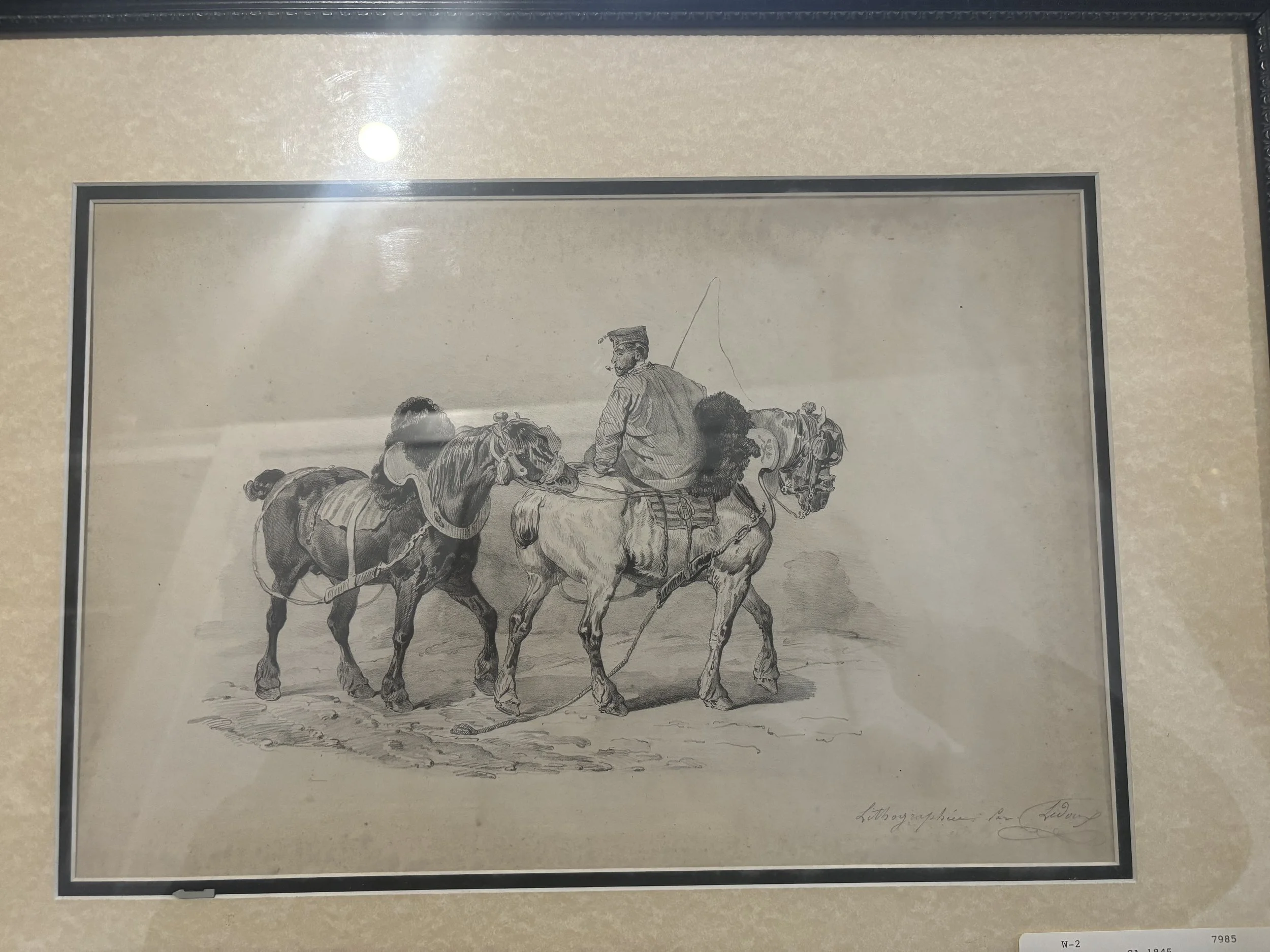 Image 2 of 6
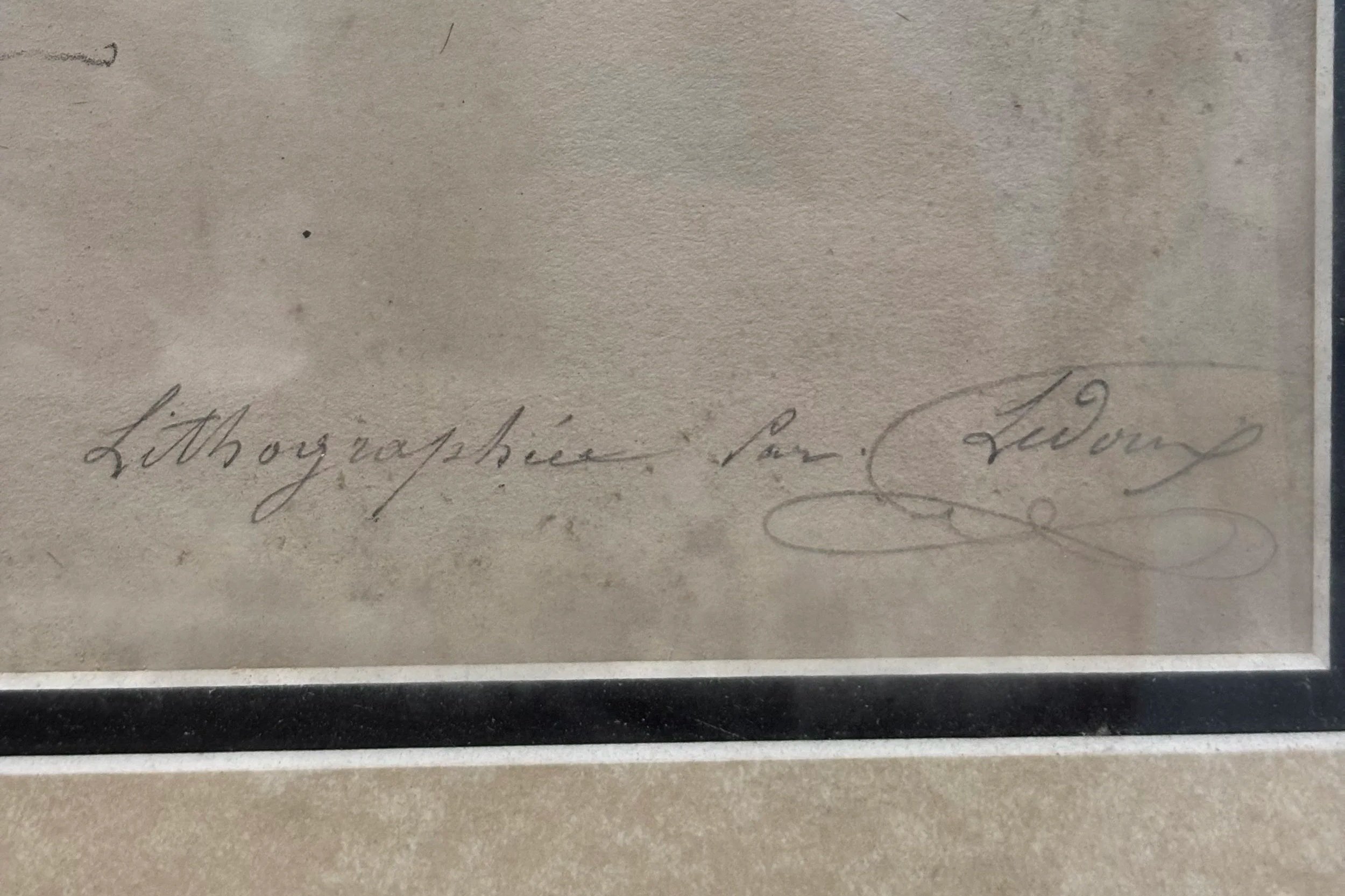 Image 3 of 6
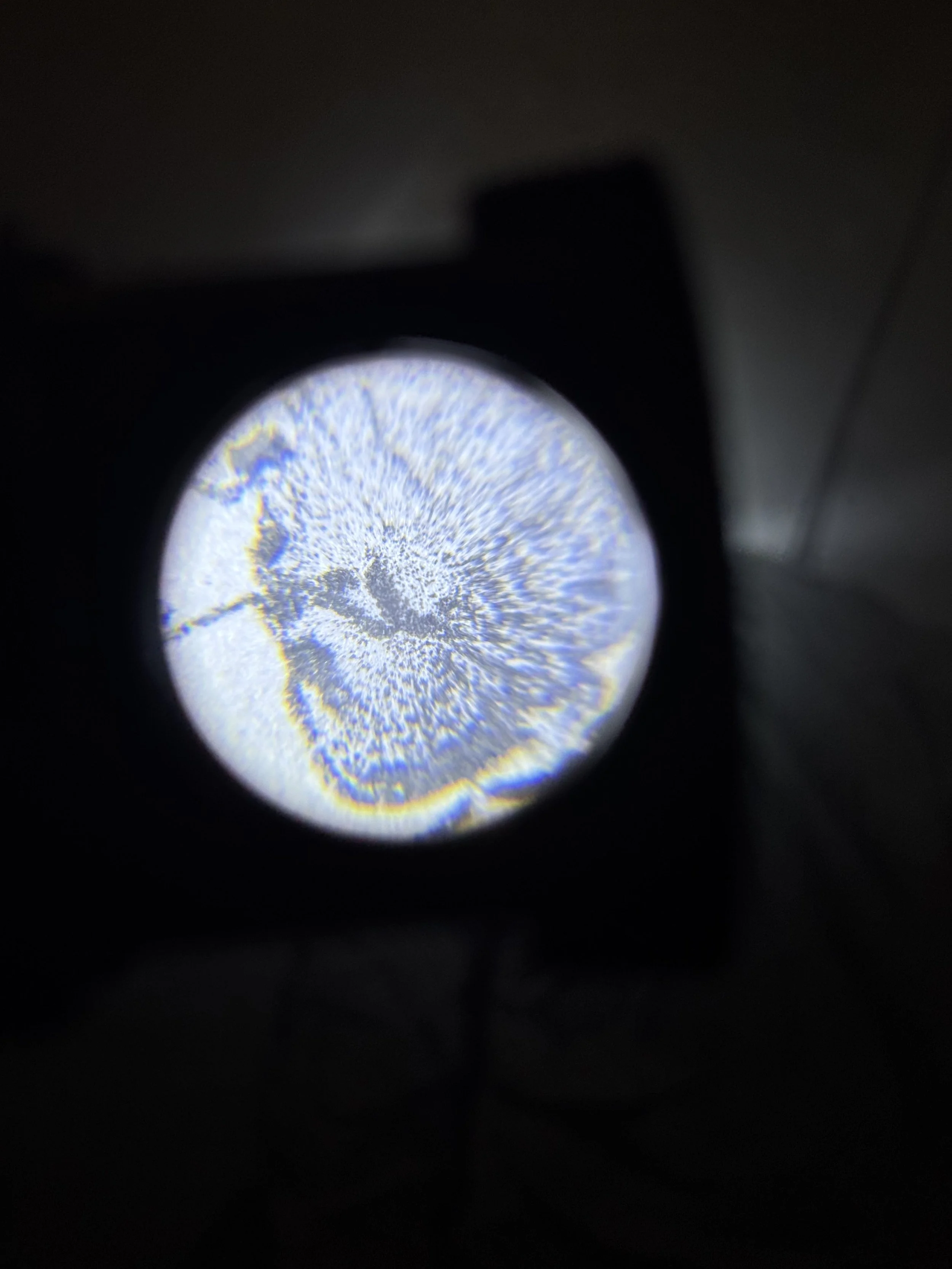 Image 4 of 6
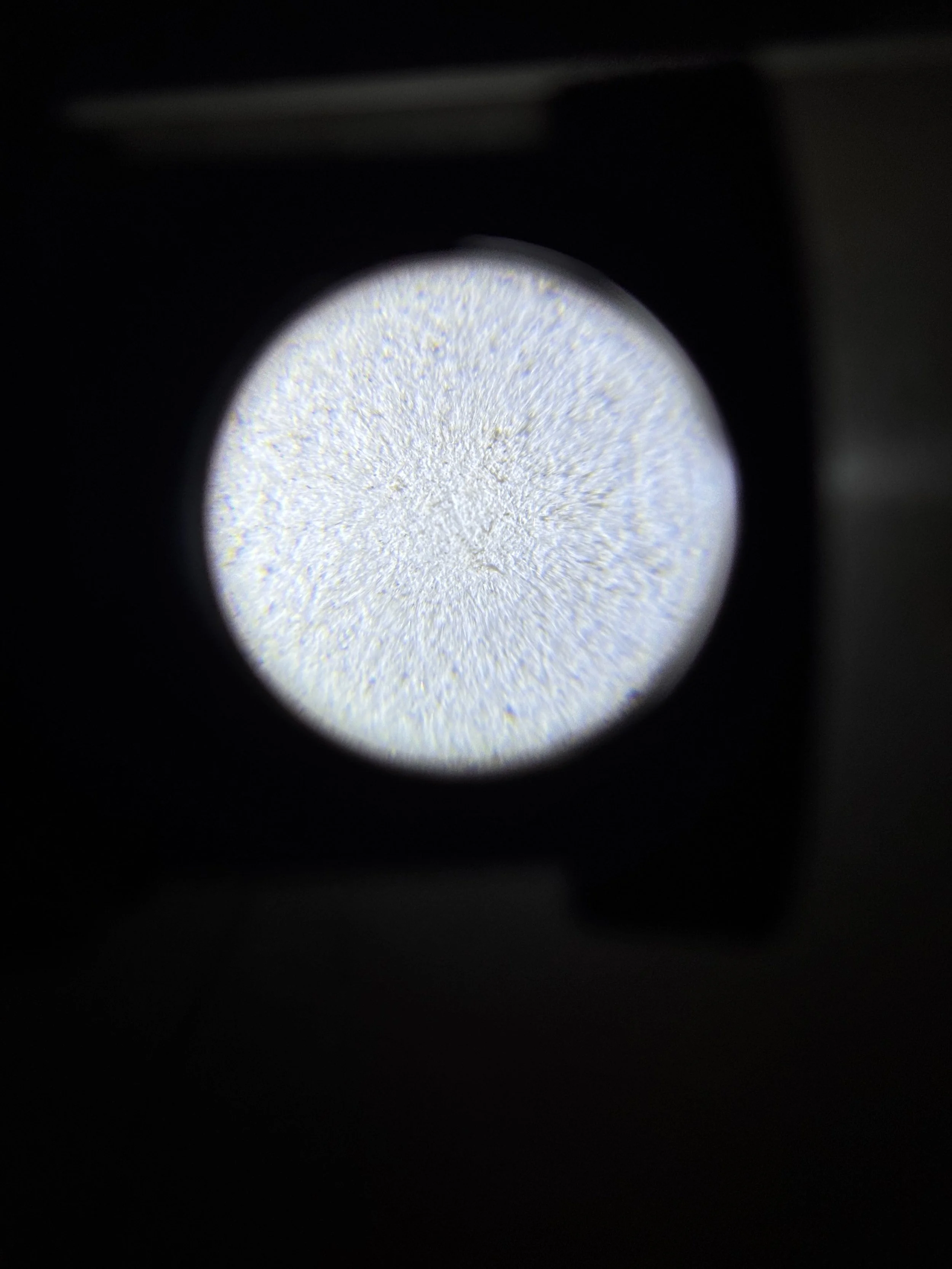 Image 5 of 6
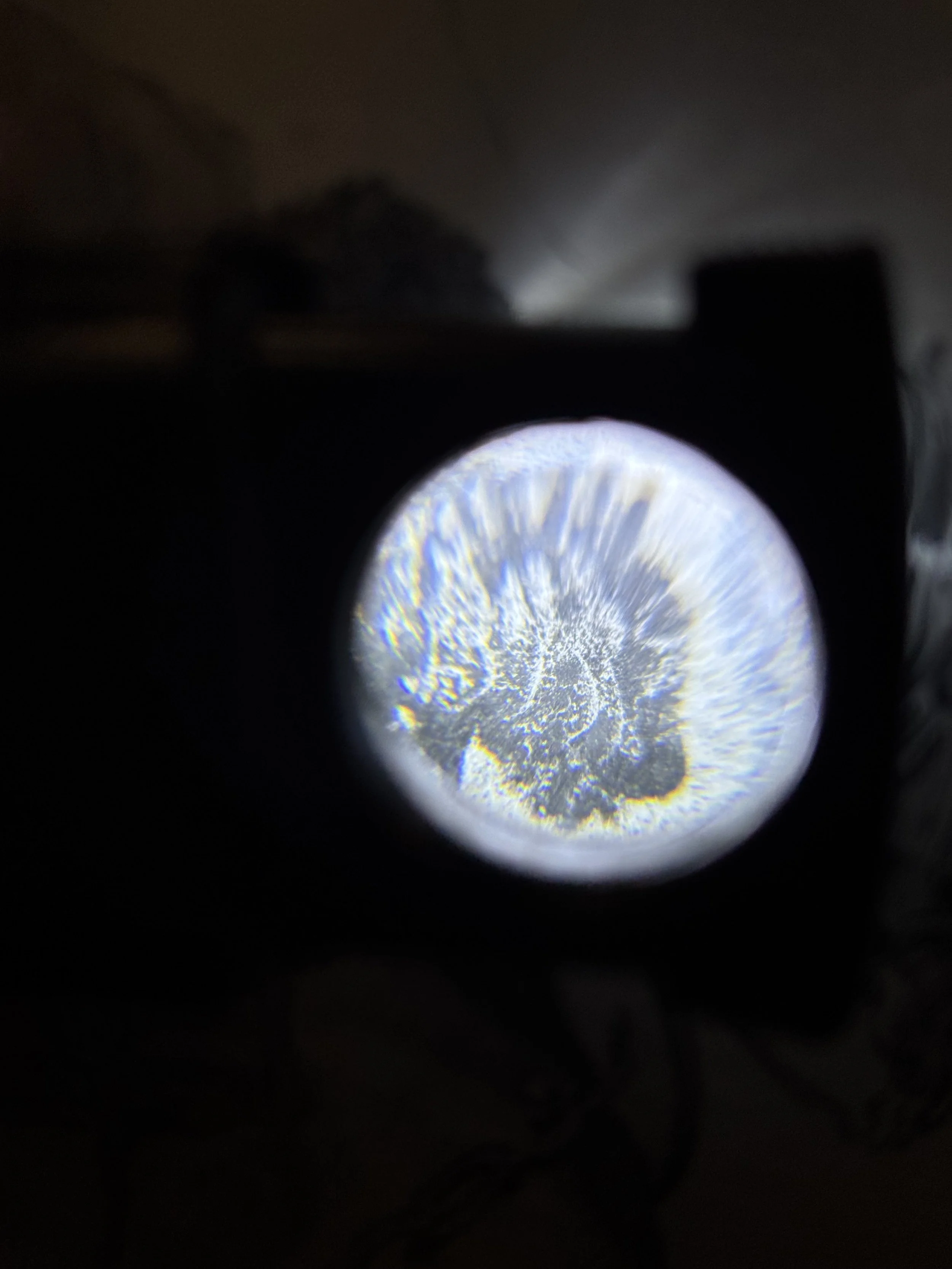 Image 6 of 6